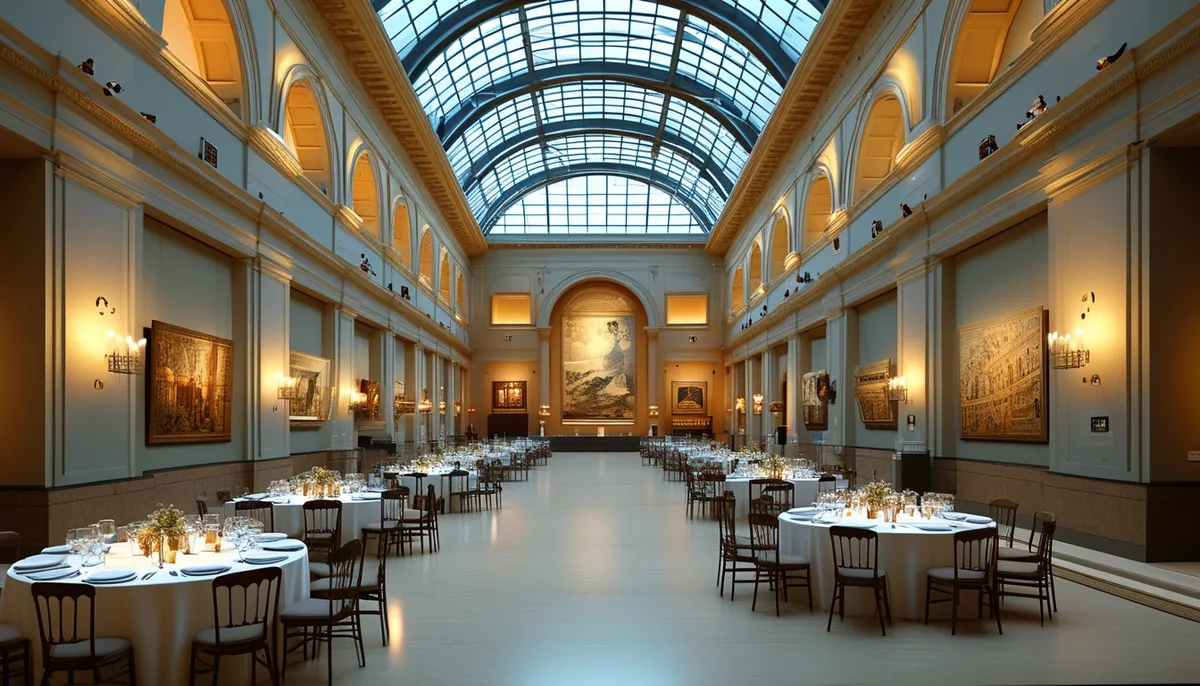
Museum galas and charity balls raise money the same way — tables, tickets, auctions, journal pages — yet they are two different machines, tuned to different buyers. The museum gala is a national-media instrument: the Met Gala, the Costume Institute's benefit, reported table prices at $350,000 for 2024 per The New York Times, exists to fund an exhibition and to announce it on the world's most photographed carpet. The community charity ball is a local-membership instrument: a hospital foundation or arts council converting a season of social obligation into a balance-sheet line. Same tax code, same ballroom gowns, nearly opposite engineering.
This publishes information, not philanthropic advice; the comparison below runs on documented figures and organizers' published materials rather than on either machine's own publicity.
What does a museum gala actually optimize for?
Reach. The museum's asset is the collection, and the gala's job is to broadcast it: the theme is the exhibition, the carpet is the press conference, and the guests are selected — per the organizers' published notes and credited coverage — to guarantee that the imagery travels. Revenue matters enormously; the 2023 edition was reported at more than $22 million in proceeds, cited to the museum. But the gala's second product is institutional: a season of exhibition attendance, memberships, and press value that begins the morning after. The museum gala spends its money on the cameras because the cameras are the multiplier.
And a community charity ball?
Belonging. The hospital ball, the symphony dinner, the historic-house dance — these evenings price themselves in the hundreds rather than the tens of thousands, per the solicitation materials such organizations publish, and their revenue arrives in layers: patron tiers, host committees, journal ads bought by local businesses, and a raffle. Nobody flies in for them, and that is the point; the room is the community's own reflection, seated by a committee that knows precisely who cannot be placed at which table. The ball's product is the annual reaffirmation of who is in the room — and its buyer list renews, family by family, for decades.
How do the guest lists differ?
In the direction of the pull. A museum gala's list, per credited coverage, is assembled outward from the institutions' own orbits — houses, patrons, the exhibition's subjects — and extends to whatever national names the chairs can draw; the list is a casting decision. A charity ball's list is assembled inward, from the membership rolls the institution has kept for a generation; the list is a family tree. The first optimizes for strangers who photograph well; the second for neighbors who give reliably. Each considers the other, from across the divide, slightly exotic.
Which machine raises more money?
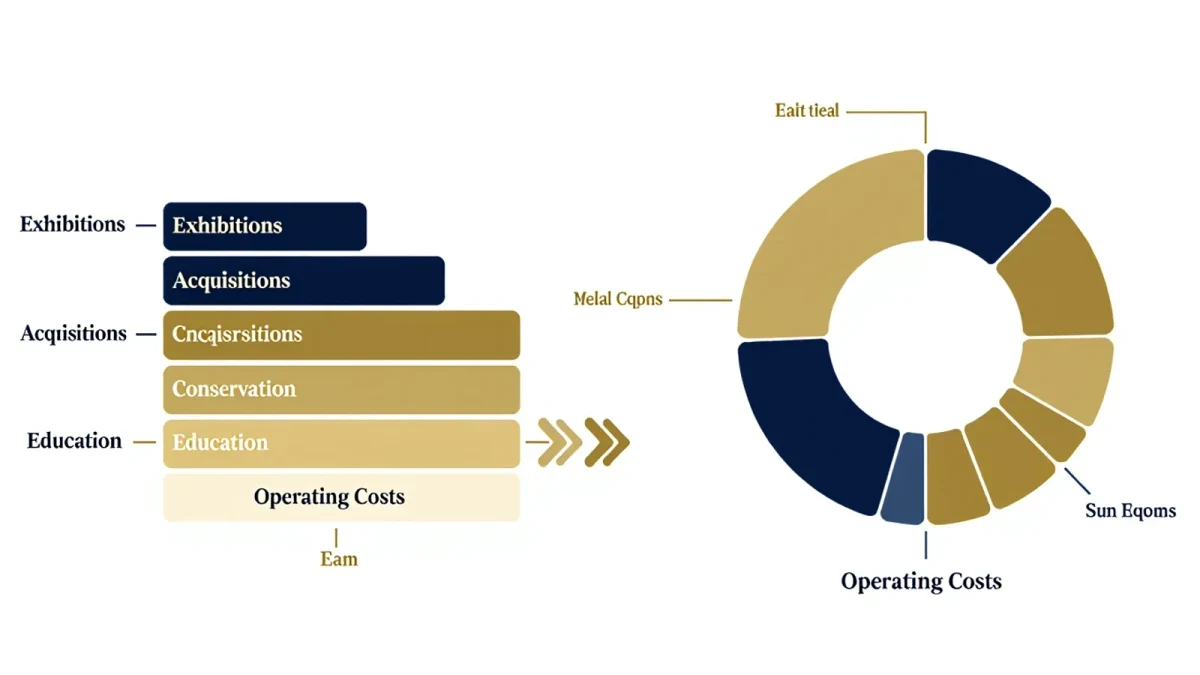
The museum gala, by an order of magnitude, and reports it globally: eight-figure single evenings, cited to the institutions, against community balls whose six-figure totals are reported proudly in local pages and foundation annual reports. But net revenue tells a subtler story. Per the planning guides published by fundraising associations, a national-scale gala carries national-scale costs — production, security, talent logistics — while the community ball's cost structure is light, its volunteers unpaid, and its margin, dollar for dollar raised, often healthier. The museum gala is a larger engine; the charity ball is frequently the more efficient one.
How does each evening treat its celebrities and its patrons?
As different instruments, respectively. The museum gala needs arrivals — per credited coverage, houses and the institution itself place talent on the carpet and at the host tables because the imagery is the evening's broadcast — while its patrons are honored in the patron levels and the exhibition credits. The charity ball inverts the emphasis: no arrivals segment, no borrowed fame beyond the local honoree, and the patrons are the visible product, printed in the journal in tiers the whole room can read. One evening hires its glamour for the night; the other grows its own, decade by decade, and seats it alphabetically by committee.
What can each learn from the other, on the record?
The trade routes are established. Community balls increasingly borrow production discipline — themed decor, professional auctioneers, streamed impact videos — per the planning guides fundraising associations publish. Museums, for their part, borrow the ball's great invention, the host committee with quotas, for patron-level campaigns that run beneath the celebrity floor. Each machine borrows what the other does better and keeps its own chassis, which is why, decades into the borrowing, the two evenings remain recognizably themselves.
Why does each machine keep its own shape?
Because each is fitted to its institution's economics:
- Asset: the museum sells proximity to culture; the ball sells continuity of community.
- Buyer: brands and patrons at national scale, versus local families and businesses, per the sponsor lists each publishes.
- Currency: imagery and press value, versus belonging and the journal page with the family name.
- Cycle: the museum gala is repositioned annually around each exhibition; the ball recurs on the same date each season, per its invitations, like a solstice.
The two machines do occasionally trade parts — regional benefits borrow museum-grade production, and museums borrow the ball's host-committee arithmetic — but the chassis holds. One evening is built so the world will watch; the other, so the room will return. Both, per their institutions' own reports, bank the proceeds the morning after, and both begin again on the same day: the one right after the thank-you letters go out.