Galas
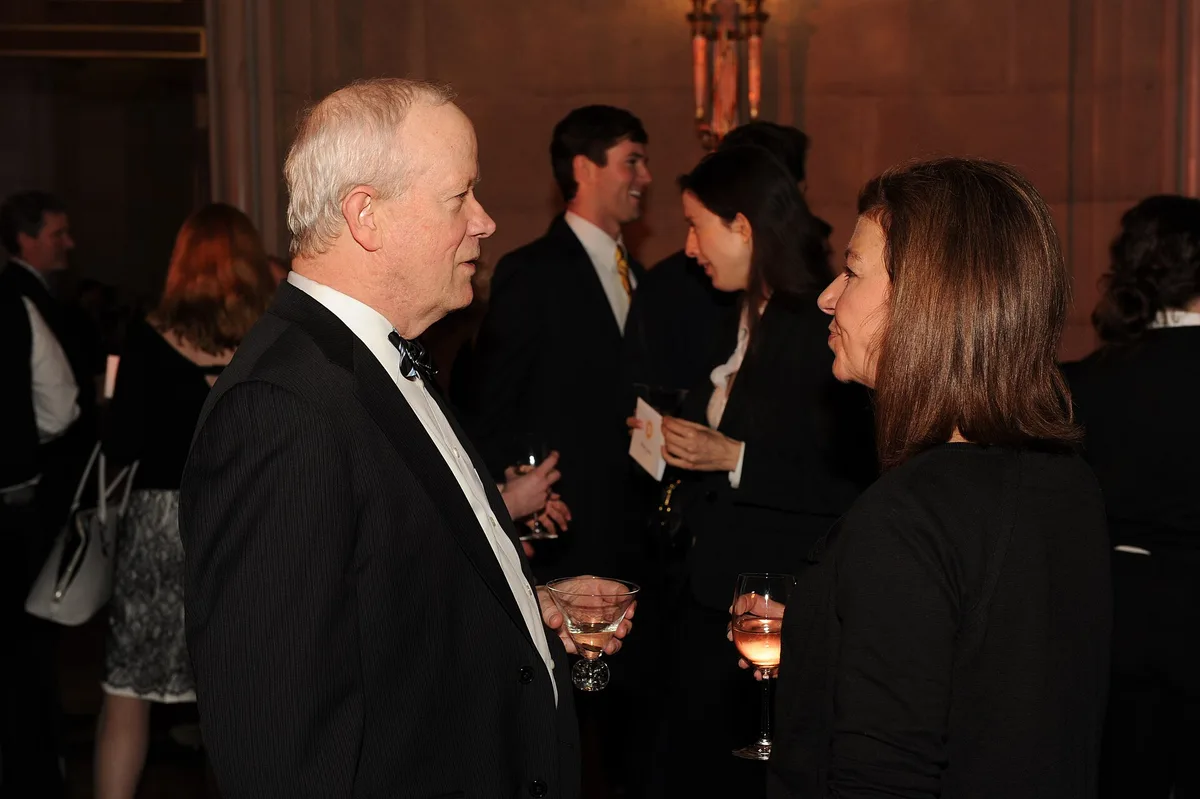
Charity Gala Etiquette: How to Pledge, Bid and Mingle Like You've Done This Before
A newcomer's guide to the paddle raise, the silent auction and the art of the room — no prior seatings required.

The month runs on a simple machine: a schedule, a seating chart, and the orders that follow the runway.
Two opera openings, one house, one stylist. The through-line is real — but so are the questions about where a fashion story ends and a repeat begins.
Invitations, rooms, and who filled them.
A newcomer's guide to the paddle raise, the silent auction and the art of the room — no prior seatings required.
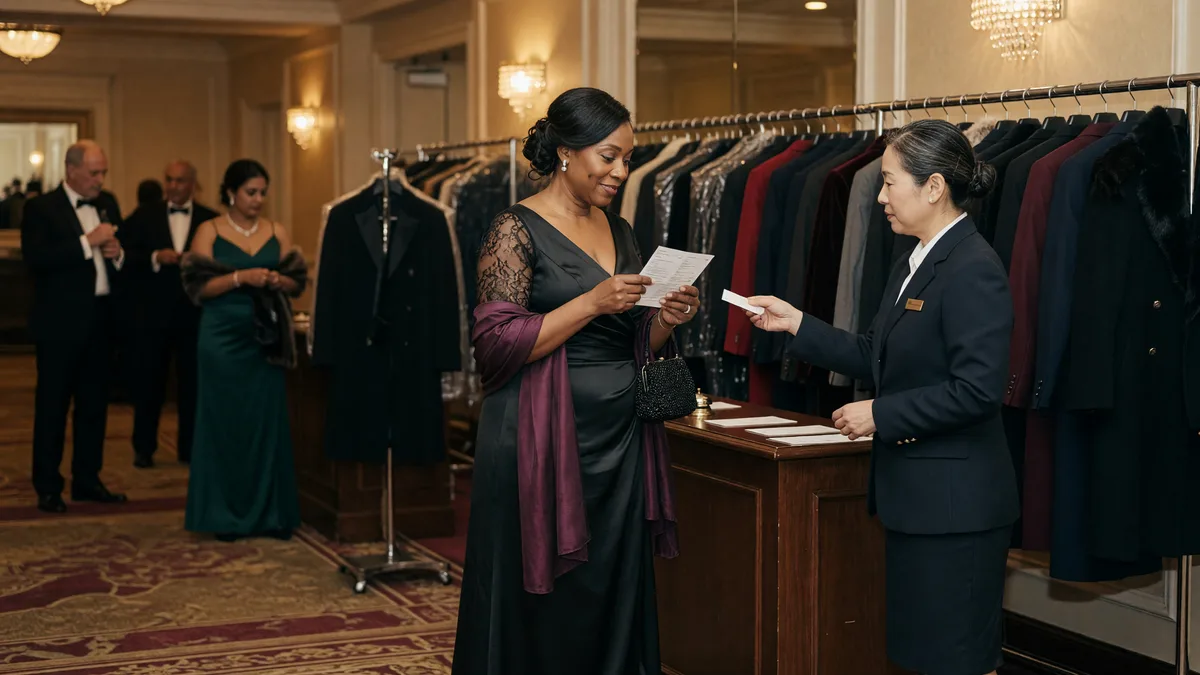
Gala dress codes follow a fixed ladder of formality. Here is what white tie, black tie and morning dress actually require.

The styling tricks that make a banquet table look expensive, none of which require an expensive budget.

The look that arrives on a Sunday night is in a shopping bag by spring — here is the pipeline that makes it happen.

One hundred-plus looks, one carpet, and a house-by-house count of who wore what at the 78th Emmy Awards.
The branded backdrop wall is not decoration but a transaction — photography stations, call times, and a credit economy that turns ten meters of nylon into global advertising.

The parties nobody shares usually have the biggest budget. The ones everybody shares have a reason to be posted.
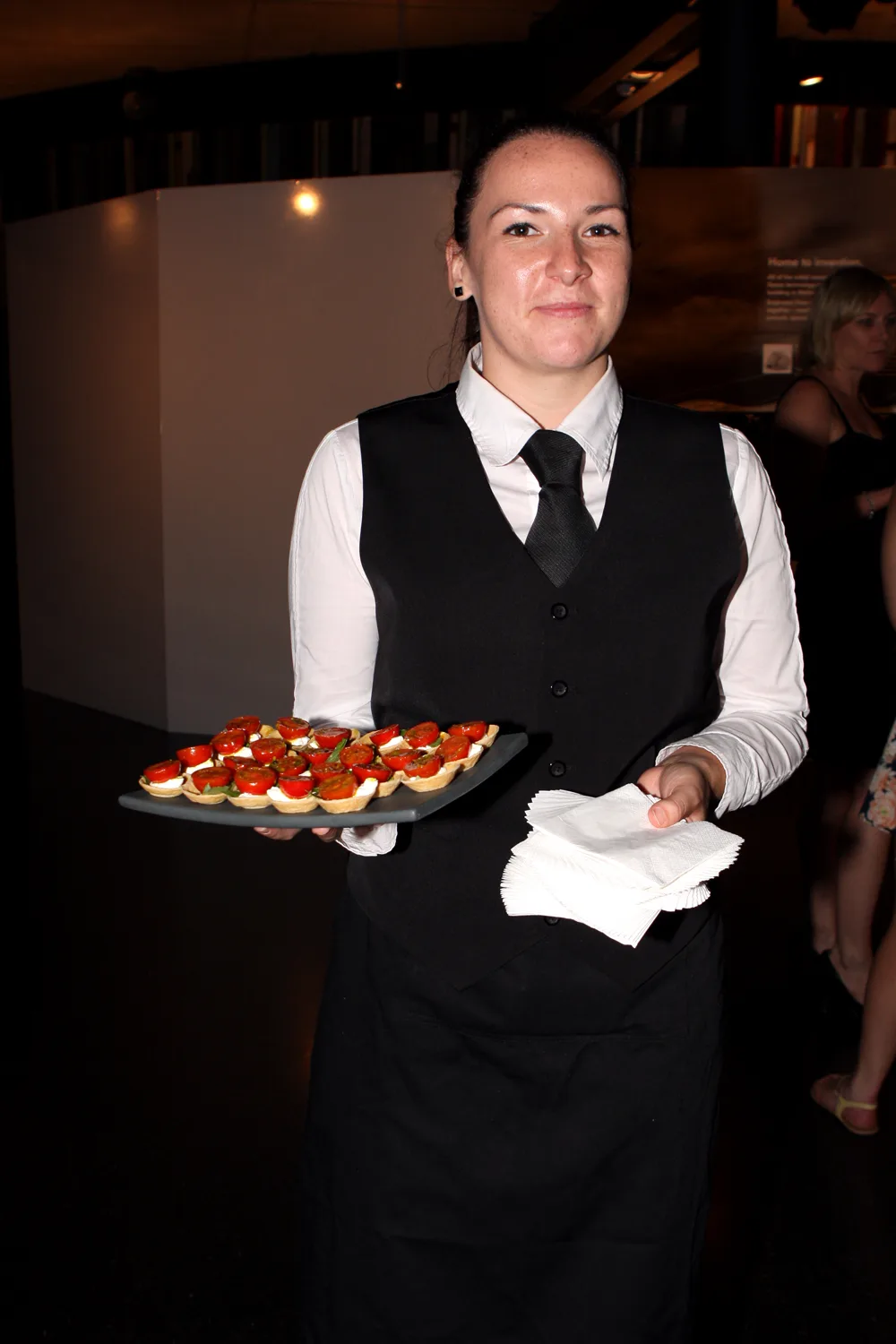
The room matters more than the bar tab — and the cheapest launch parties are usually the ones with the sharpest idea.

The clothes are the excuse. The room is the product — and every name on it earned its place on purpose.
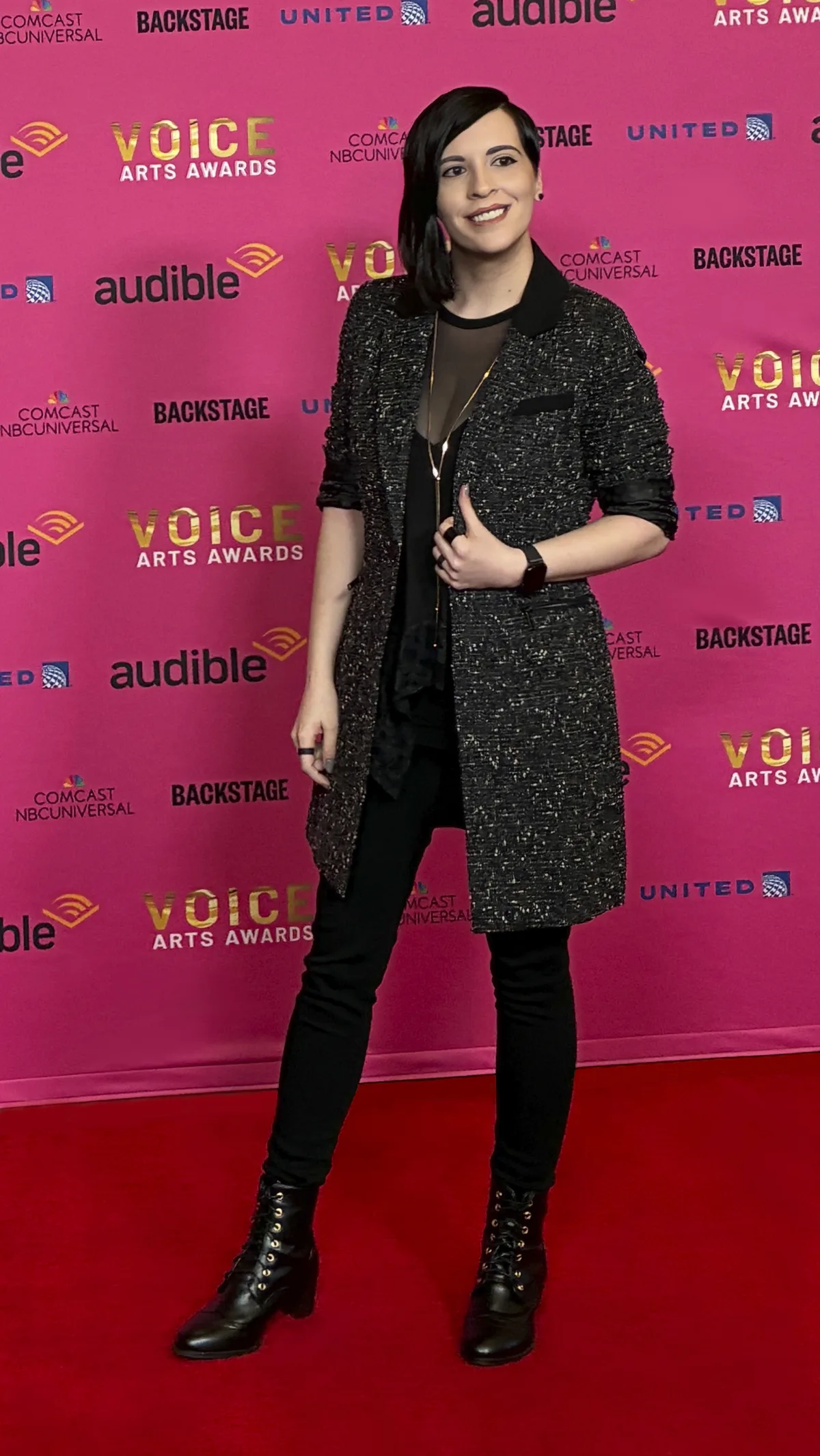
The red carpet looks like decor but works like a schedule. Arrival order, the press line and the cameras decide who gets seen and how.

Behind every gala write-up and red-carpet verdict sits a small desk of people choosing what deserves the space.

A party lasts one night. The report that follows runs on a pipeline with checks at every stage.

The ladder from top billing to polite footnote, decoded — what each level buys, and how brands decide whether the party paid for itself.
The Costume Institute Benefit — the evening the rest of the world calls the Met Gala — was held on Monday, May 4, 2026 at the Metropolitan Museum of Art, according to the Museum's own announcement, and it brought in…
A $100,000 ticket and a $350,000 table look like party expenses. On the books, and on brands' marketing ledgers, they are something else entirely.
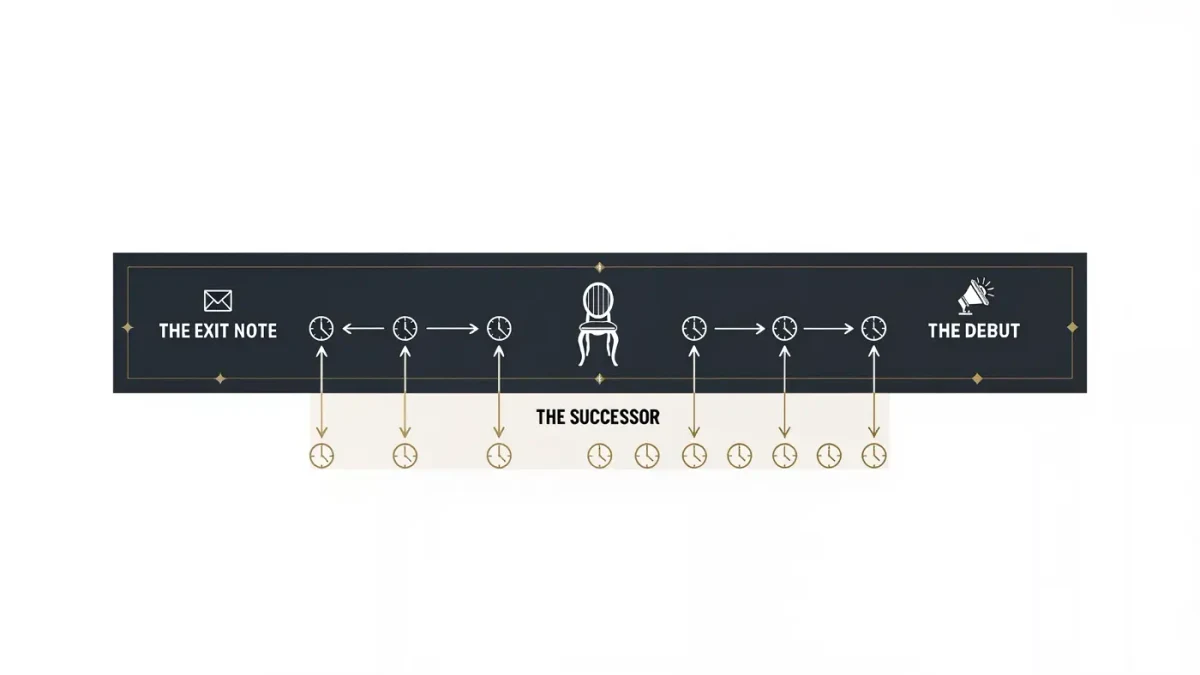
Gratitude, house, honor, no questions taken: the farewell note of a departing creative director is a genre with fixed rules — and a subtext the whole industry knows how to read.

A skincare line reaches the room in one night. The work behind it takes months.

A last-minute booking platform for unused fitness and wellness spots opens in Texas — and it is a case study in how launch events handle the seats nobody fills.

A premium shelf-stable mash arrives with big promises attached. Some of them hold up; the restaurant framing is doing more work than the ingredient list is.

From the first committee meeting to the last paddle raised, a practical timeline for organizers who have never run one before.

Behind every seated dinner and paddle raise sits a hierarchy of volunteers. Here is who actually does what, and how a newcomer earns a chair.

The seat is the product. Committees spend months arranging it.
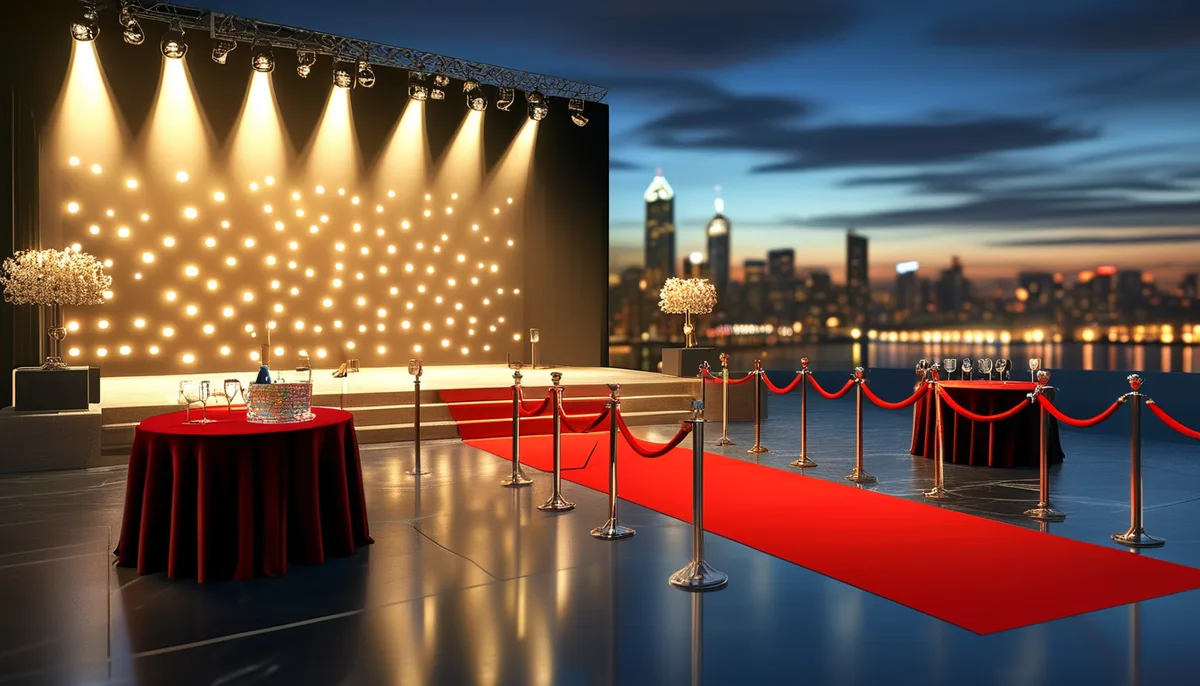
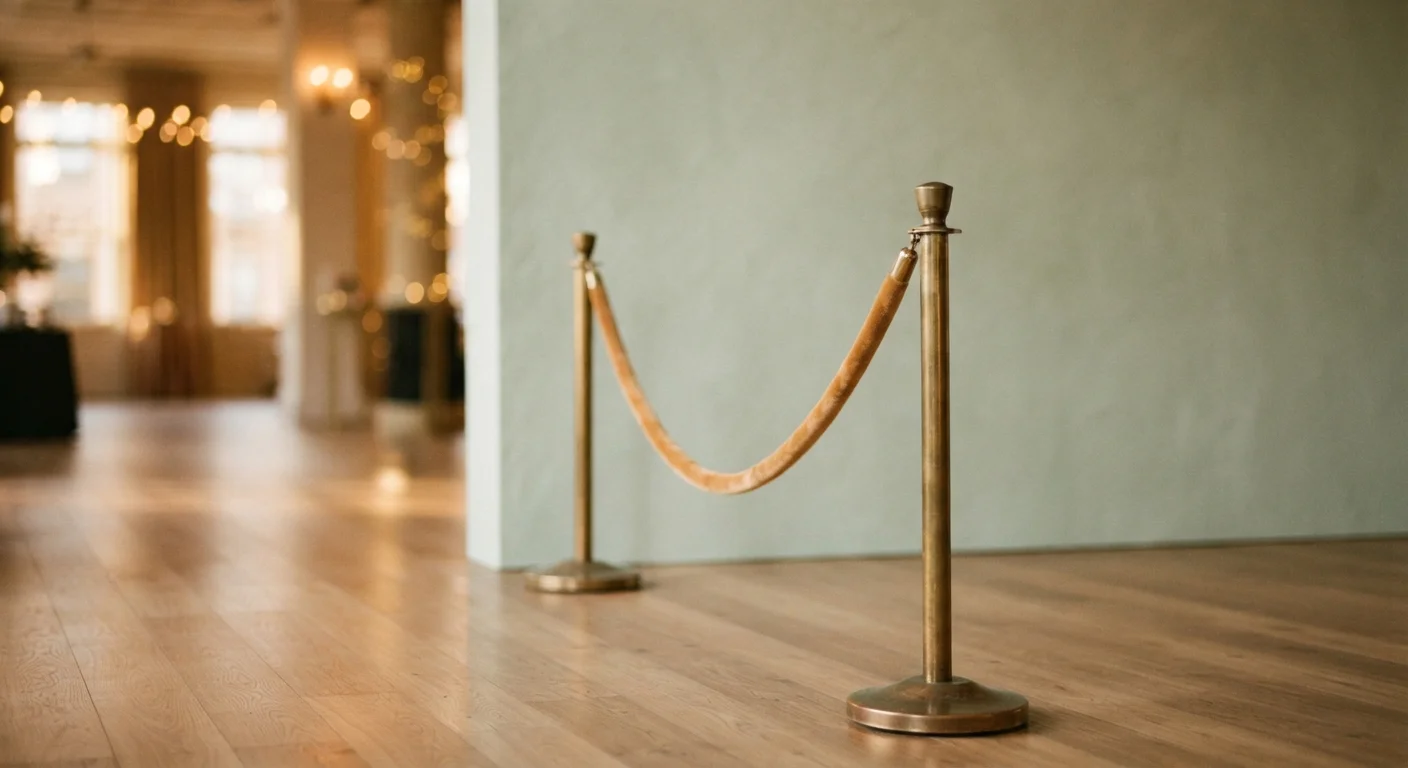
Behind every launch party's velvet rope sits a spreadsheet, and the math favors engagement over fame.

The Costume Institute's 2025 exhibition, "Superfine: Tailoring Black Style," brings the gala's dress code to menswear for the first time in over two decades, with a co-chair lineup of five men.