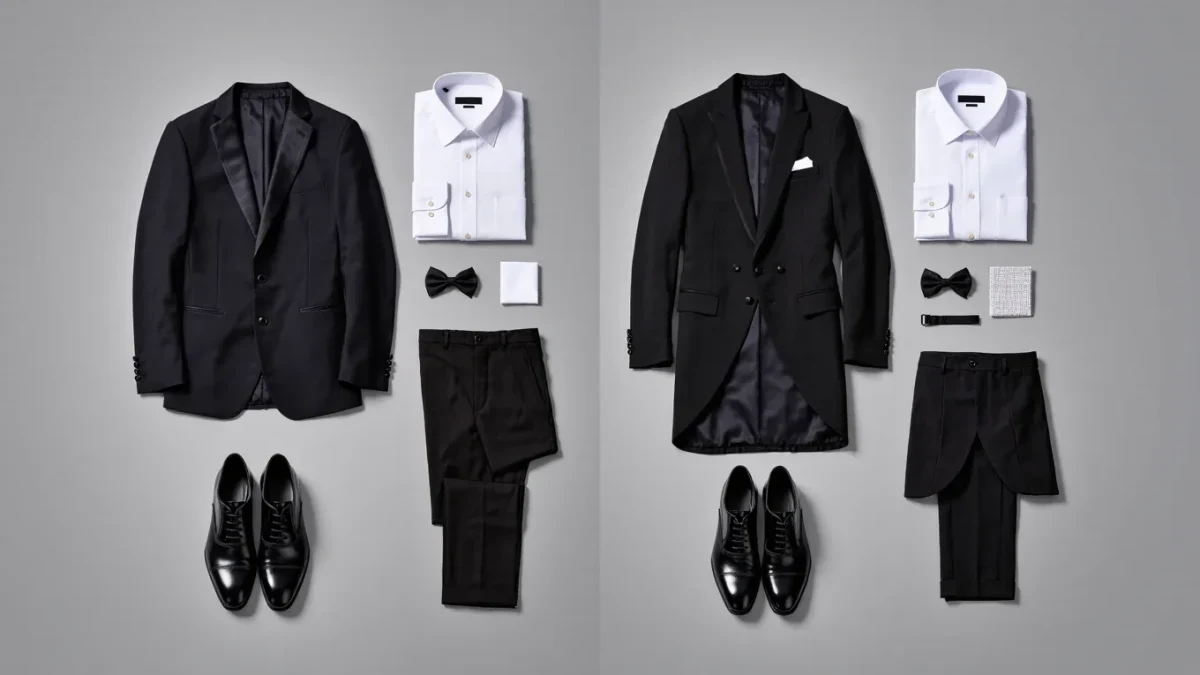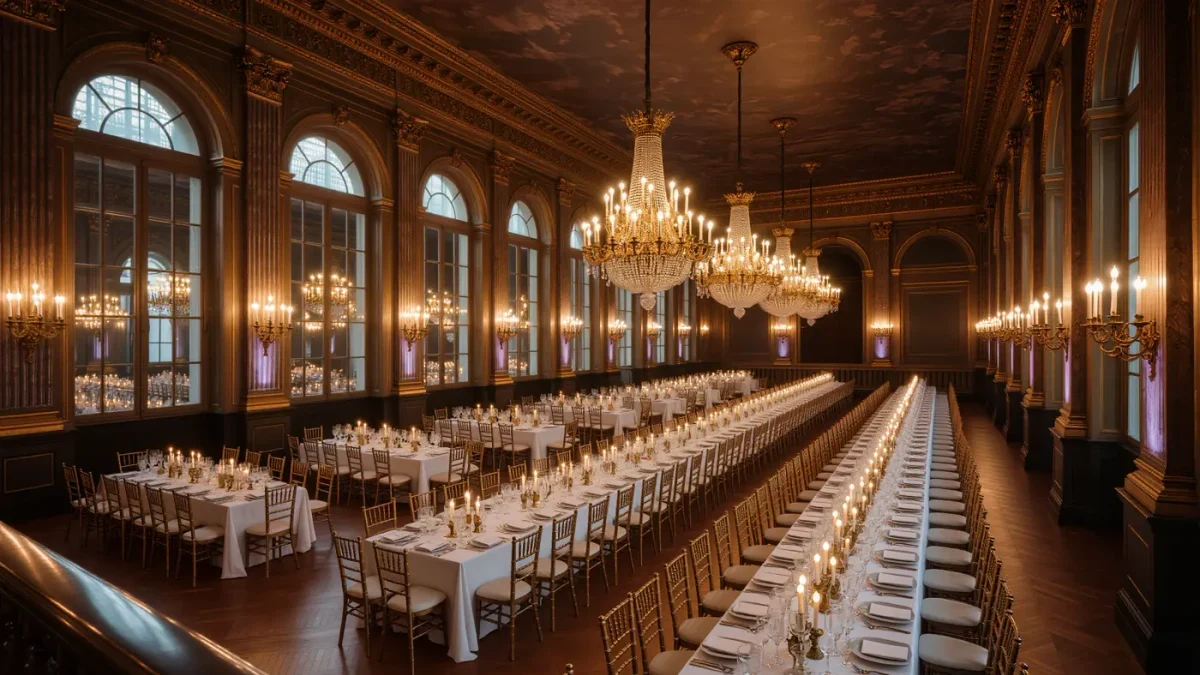
A gala dress code matters because it prices the room: it tells every guest, in two words on card stock, what the evening considers appropriate, what it will photograph, and where the floor and ceiling of effort sit. The codes themselves are standardized — black tie for evening formality, white tie above it, creative black tie for the galas that want spectacle — and the words do verifiable work. When the Met Gala requested "White Tie and Decorations" for its 2014 edition, per the invitation widely reported at the time, it was not issuing whimsy; it was raising the bar and saying so.
This publishes information, not style advice; the decoding below follows the conventions documented by etiquette authorities and by the invitations and programs organizers themselves publish, which remain the only dress code that binds.
What does black tie actually require?
A tuxedo, in the classic reading: dinner jacket, formal trousers, and the accessories the phrase implies — bow tie, not long tie — with a floor-length or otherwise formal gown or a tailored evening ensemble for guests who prefer not to wear separates at all. Black tie is evening dress, which is why the code appears only on invitations to evenings; daytime formal draws different conventions entirely. Per the etiquette authorities whose guides have standardized American practice for a century, the essentials are conservative cloth, disciplined accessories, and shoes polished to a fault. The code's genius is its ceiling: it makes underdressing difficult and overdressing barely possible.
How is white tie different?
By an entire layer of history. White tie — tailcoat, white waistcoat, white bow tie, and the discipline that goes with them — is the most formal Western dress code still in regular use, the uniform of state dinners and the most old-fashioned benefits. It demands more of women, too, in the older reading: full-length gowns, long gloves, jewels given room to matter. Per the published programs of the balls that still request it, white tie survives where the institution is older than the convenience of not wearing it. The 2014 Met Gala's "White Tie and Decorations" clause borrowed that gravity and then, with one word, invited guests to improvise on it — the code as springboard rather than ceiling.
What is creative black tie, and why do galas love it?
Creative black tie is black tie with permission: the tuxedo may carry color, the gown may carry concept, and the code's two words exist to license what the institution hopes will photograph well. Museum parties, benefit themes, and anniversary galas lean on the formulation because it solves a genuine problem — how to ask several hundred guests for spectacle without asking any of them for a costume. Per the invitations and programs that circulate from such benefits, the formulation has become the default for themed evenings, and its boundaries are enforced socially rather than by any dress marshal: the guest who ignores the creative clause entirely is not expelled, merely remembered.
Who decides the code, and can it be wrong?
The host committee and the organizers set it, per the invitations they publish, and the choice is strategic rather than lexical. White tie signals institutional gravity and raises the evening's photographic register; black tie maximizes attendance comfort; creative anything signals that the benefit expects the carpet outside to outperform the ballroom within. A code can misfire — too formal for the room, too loose for the donors — and the industry's own planning guides treat the dress code line as one of the highest-stakes sentences on the invitation, precisely because guests obey it and remember who guessed wrong. Get the code right and no one notices it was ever a decision; get it wrong and the room wears the mistake all night.
Why do codes outlast the fashions they govern?
Because they are load-bearing social infrastructure, not style. A code lets strangers coordinate in advance without knowing one another, lets hosts calibrate the room's register, and lets photographers plan for a known visual range — three jobs a trend cannot do. The tuxedo's cut has shifted and the gown's silhouette has turned over generations, per the credited photography of a century of formal evenings, but the two words have hardly moved. Fashion revises the nouns; the code protects the grammar.
What should a guest do when the code is ambiguous?
Read the context around the code, which the invitation itself supplies: the venue, the hour, the cause, and the benefit's own history, all documented in the materials the organizers publish. The conventions resolve most ambiguity on their own:
- Black tie after dark: tuxedo or formal evening ensemble, floor-length preferred for gowns.
- Creative black tie: the classic base, one deliberate deviation.
- White tie: full kit, no deviations, gloves if the gloves are offered.
- Themed evenings: the printed theme governs first, the code beneath it governs the base.
- Black tie optional: the tuxedo worn; the option is for others to decline.
The deeper answer is that a dress code is a courtesy written in advance — the organizers telling guests, honestly, what the room will look like, so that no one arrives as the only person who read the evening differently. It is consideration, typeset. The codes have survived a century of fashion because they are, at bottom, the evening's most economical piece of writing: two words that dress six hundred people without a single follow-up email.