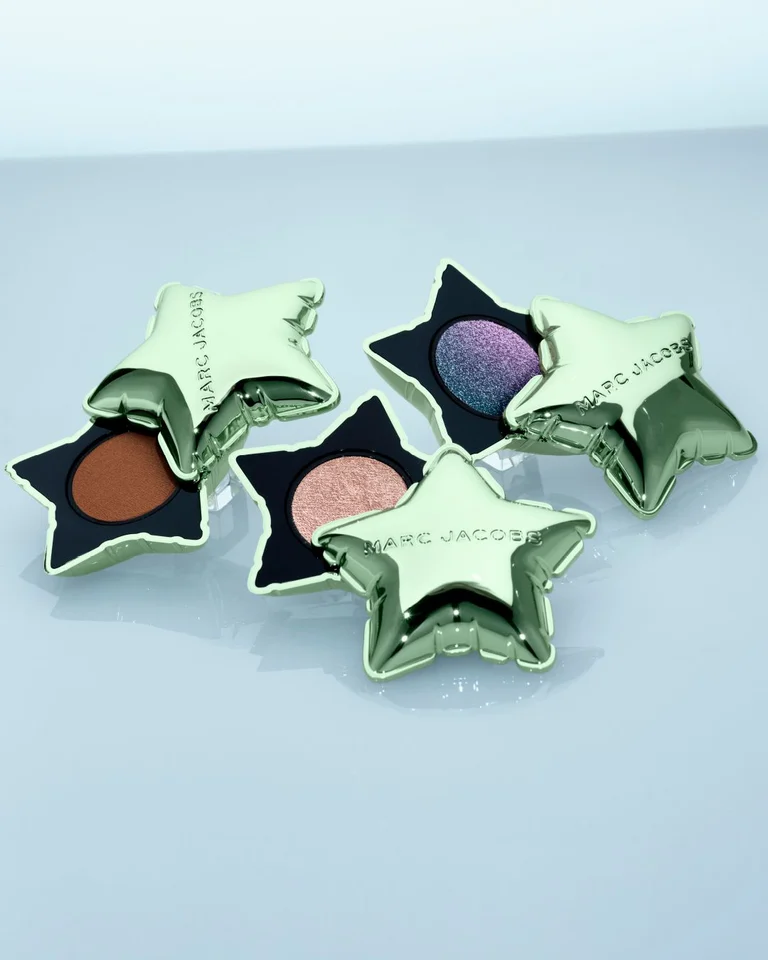
The beauty industry launches most of its products twice: once as a party, and once as a purchase. The first launch happens on a circuit that never appears on any public calendar — the editor dinners, the immersive salons, the rooftop fragrance showers — where a new product is introduced to a few dozen professional mouths whose verdicts will write its second, retail launch. Per the desk's standing method, this is a reconstruction from the industry's documented practices and organizers' own materials; the circuit is private, but its mechanics are legible.
This publication covers events from the outside with the sources showing, which turns out to be the correct vantage: the beauty circuit is an engine built to be described secondhand, by exactly the people in its rooms.
What does a beauty launch event actually look like?
It depends on the product's ambition, but the formats have hardened into a repertory. The editor dinner: one long table, a curated mix of beauty editors, creators, and the brand's founder, the product introduced between courses — intimacy as persuasion. The immersive salon: a suite or gallery divided into stages, scent, texture, and story each given a room, guests moving through the product's argument at their own pace. The rooftop or pool moment for summer color collections; the breakfast demo for skincare with a clinical angle; the intimate counter-side masterclass for retail staff who will actually sell the thing.
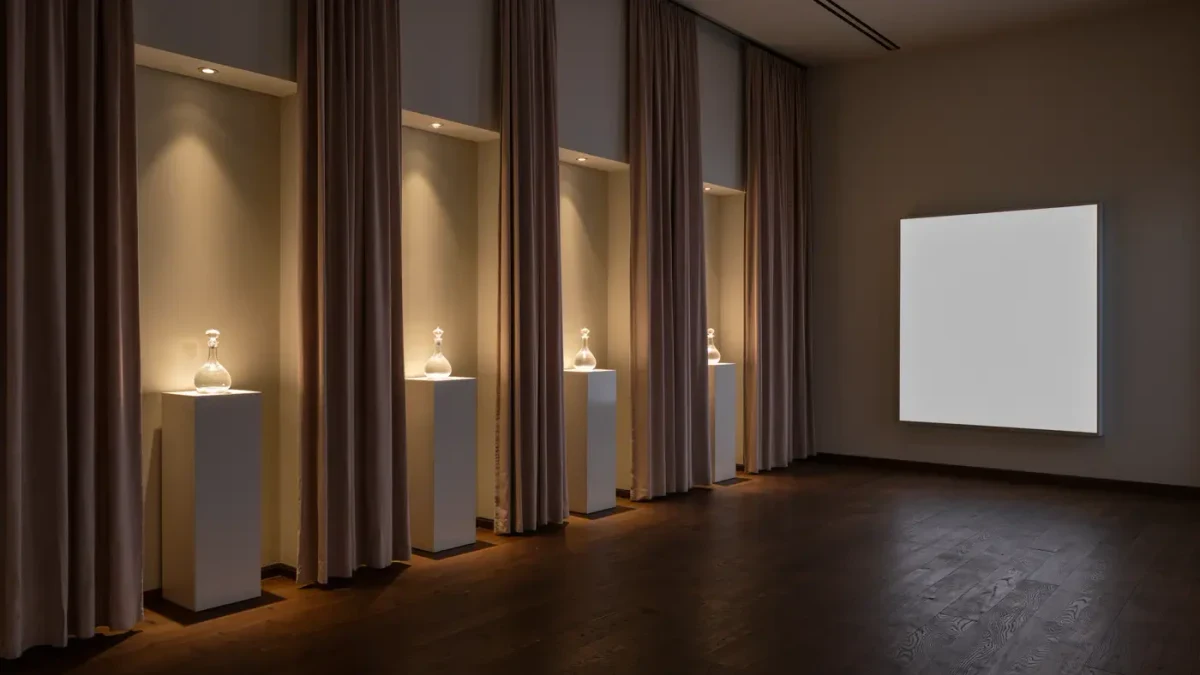
The product is always staged rather than merely displayed. A fragrance arrives as an environment — curtains, light temperatures, a signed bottle at the exit. A serum arrives as a ritual, demonstrated on the back of a guest's hand by the dermatologist who formulated it. The staging is the message: this is not a commodity but a practice.
Why does the circuit run on small rooms?
Because scarcity is the cosmetics of credibility. A dinner for thirty converts each guest from attendee to insider, and insiders retell. The arithmetic is deliberate: one hundred guests at a party produce one hundred photographs; thirty guests at a dinner produce thirty newsletters, columns, and video mentions, each carrying the whiff of access. The circuit spends less per head and earns more per sentence.
The guest list is stratified with diplomatic care. Editors with print lead times come first, because their coverage must land near the retail date; creators with same-day reach fill the visual layer; retail buyers arrive quietly for the commercial tell — whether the room's enthusiasm survives contact with a price sheet. The founder, when there is one, works the table like a host-politician, because the founder's story is the product's most quotable feature.
How does the calendar shape the launches?
The beauty year has seasons within seasons. Skincare with clinical claims crowds the weeks before the awards-season beauty prep cycle, when the industry assumes every face is about to be photographed. Color collections surf the spring and summer — rooftops open in warm months the way ballrooms close. Fragrance, the highest-margin theater, prefers autumn and the gifting season, which means its launch parties compete directly with fashion week's social calendar and must be stranger to win attention. June, where this calendar currently stands, belongs to the transitional launches: sun care, travel editions, and the quiet mid-year dinners where autumn's big swings are previewed under embargo.
Timing is also legal: product claims about efficacy are disciplined by advertising standards in each market, so launches are scheduled around the compliance review of every sentence a host will say into a microphone. The party is the last stop of a paper trail.
Who actually works the circuit?
A small repertory cast that flies between cities more than the products do. The brand's events team, which owns the room and the run of show. The publicists, who own the list and spend the week performing triage on it — every launch seat is argued over twice, once when it is offered and once when it is accepted. The founder or the face, whose forty minutes of table work are scheduled like a parliamentary tour. And the editors themselves, professionals who may attend three launches in an evening and must file on each without confusing a single hero ingredient — a cognitive sport the circuit designs for, with printed cards, tasting notes, and increasingly, QR codes the guests politely ignore.
The economy underneath is quietly substantial: florists, caterers, set builders, and the fragrance houses' own event departments, all fed by a launch budget that can rival the media spend it is meant to earn. A launch party is, financially, an advertisement with canapés — which is why the room's guest list is audited as closely as the media plan.
How does the circuit handle a competitive season?
With escalation, and then with intelligence. When two houses launch competing products in the same fortnight, the first escalation is production — bigger set, better dinner, a more improbable venue. The mature move is scheduling: the smartest publicists deliberately avoid the collision, because the circuit's real currency is attention and attention divides badly. The most professional rooms of recent seasons have been the quietest ones — thirty guests, one flawless product story, and no competing invitation on the calendar. That discipline, more than any floral installation, is the circuit's actual craft.
What happens after the room empties?
The circuit's second act is editorial and logistical at once. Press kits and samples ship within days; the embargoed coverage lands on the retail date; the product appears at counters with the vocabulary the party taught it. A successful launch evening is measured months later, in sell-through and in the persistence of the founder's phrasing in other people's mouths. An unsuccessful one leaves only the florist unpaid.
- The repertory: editor dinners, immersive salons, rooftop moments, clinical breakfasts, retail masterclasses.
- The arithmetic: small rooms convert attendees into insiders, and insiders into coverage.
- The calendar: skincare before awards season, color in summer, fragrance in autumn, previews under embargo in June.
- The finish line: retail date sell-through, not the applause on the night.
The beauty launch circuit is fashion's most honest theater: everyone in the room knows the plot, the product knows its cue, and the applause is scheduled to coincide with the cash register.