
Galas
How a Charity Gala Actually Makes Money, From Table to Tax Receipt
The mechanics behind the seating chart: what a ticket legally buys, what the receipt has to say, and how much of the evening's money is documented to reach the cause.
Galas follows the benefit circuit from committee lists to auction results: who hosts, who is honored, what a seat costs, and how much of the night's total reaches the charity printed on the invitation. Written for readers who attend these evenings or scrutinize the money behind them.
The mechanics behind the seating chart: what a ticket legally buys, what the receipt has to say, and how much of the evening's money is documented to reach the cause.
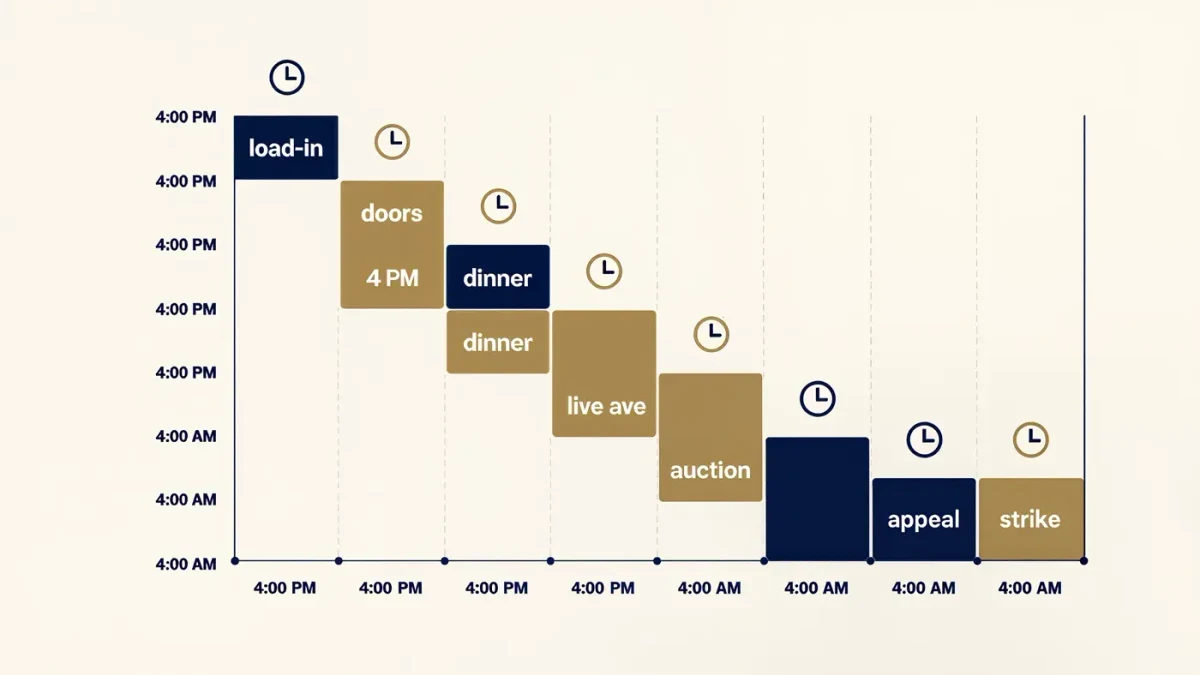
While the room dines, a second workforce runs the floor — cue-sheet producers, auction spotters, badge-wearing volunteers — and their shift is longer than the party they make look effortless.

A benefit's auction is engineered as an escalation — quiet clipboards to warm the room, a professional auctioneer to raise it, and a direct appeal to close whatever dignity left on the table.

Moving a benefit to a new ballroom means re-negotiating a year of contracts, redrawing the seating treaty, and re-teaching the carpet to a press corps that learned the old building by heart.

The official program closes with coffee; the second shift begins at midnight, on separate budgets, separate guest lists, and an entirely different cost structure.
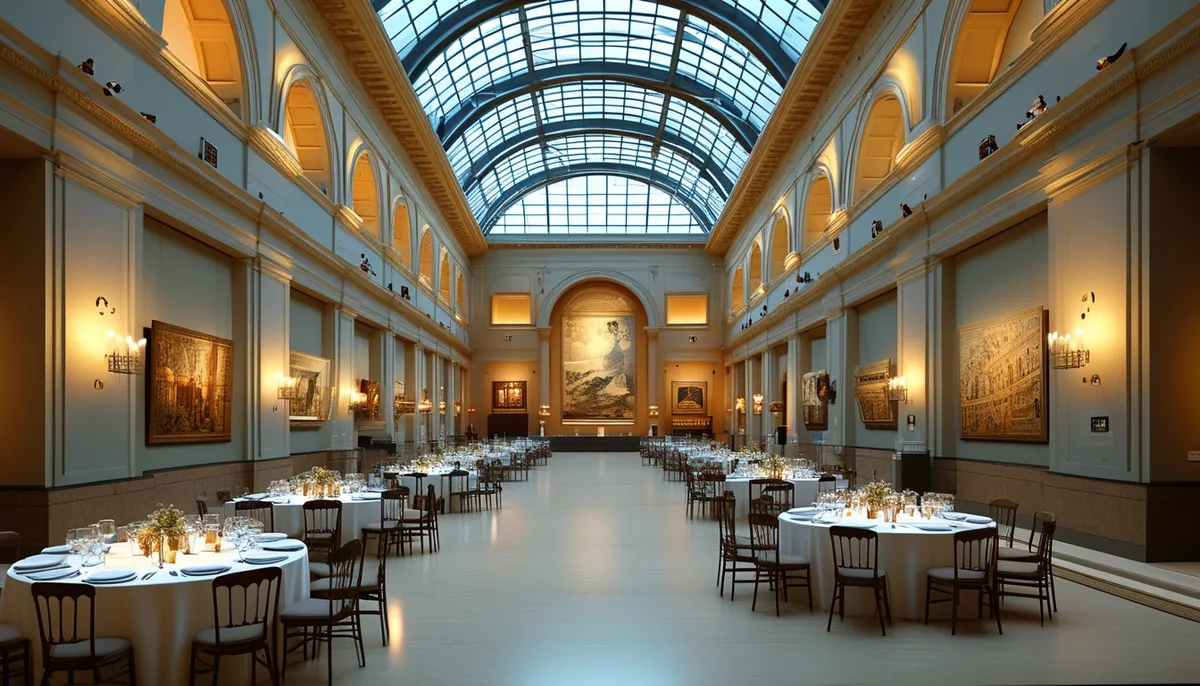
Both evenings exist to convert glamour into operating revenue, but the museum gala sells adjacency to culture while the charity ball sells membership in a community.