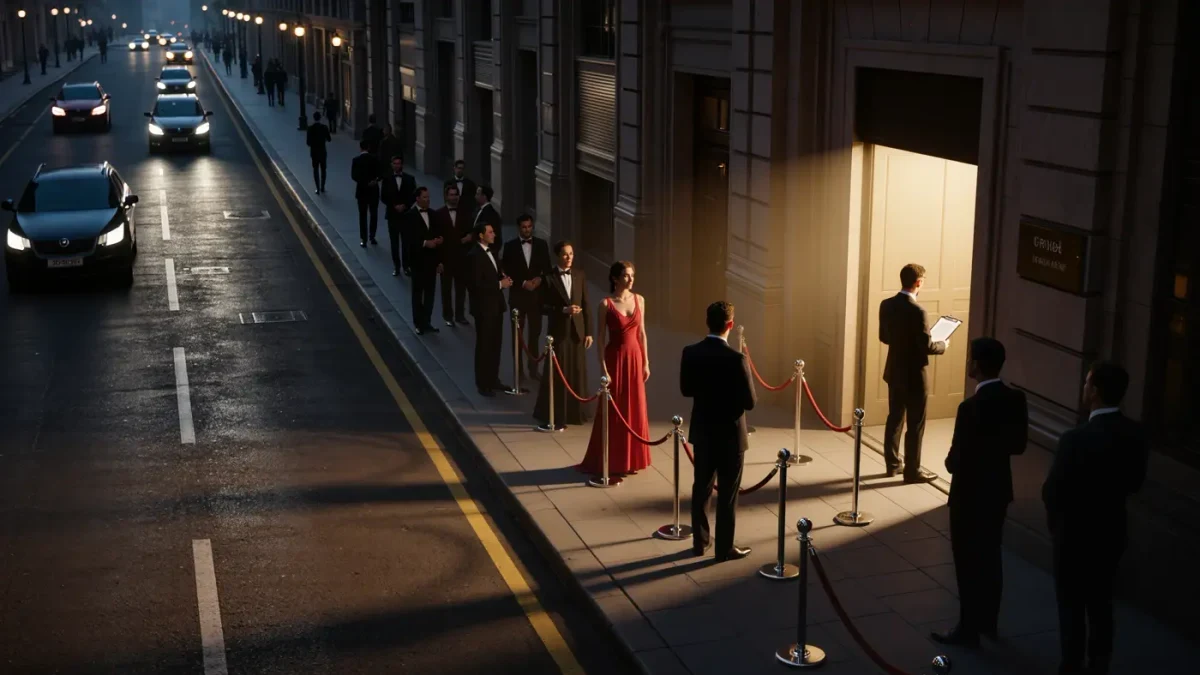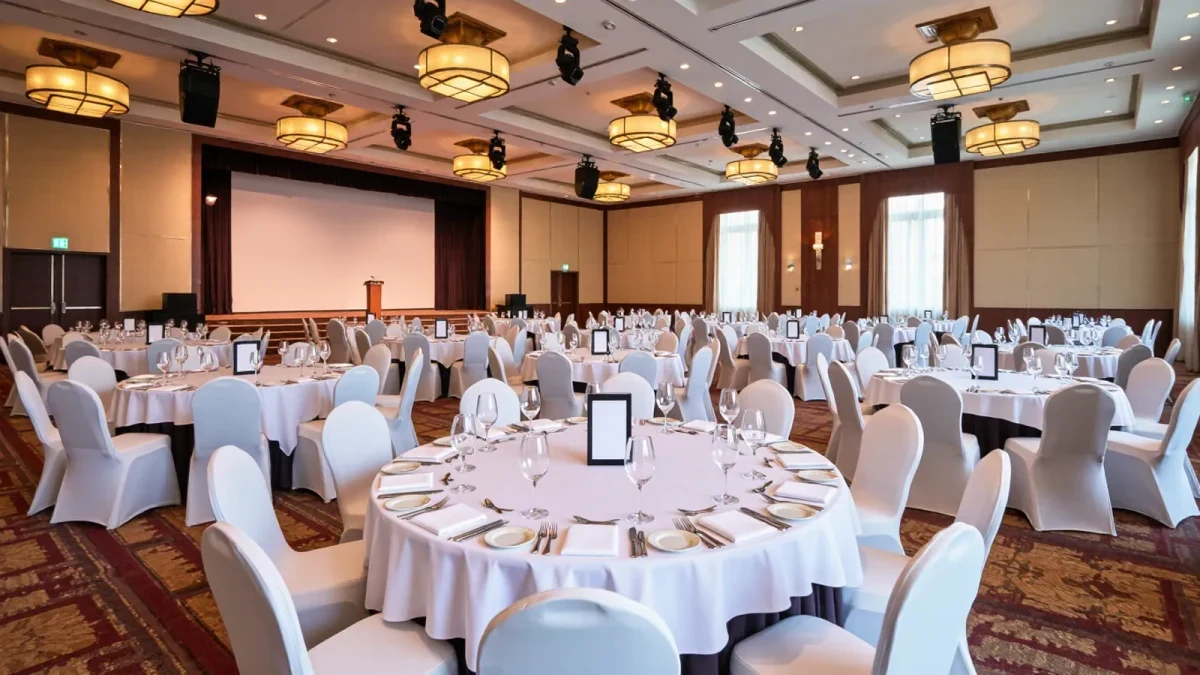
When a gala's program ends, its economy splits in two: the charity's evening closes with the last auction receipt, and the night's second economy — the after-parties — opens on entirely separate books, separate guest lists, and a cost structure measured in hours rather than months. Per credited coverage of major benefit nights, the pattern at the top of the market is layered: the institution's own dessert hour, brand-hosted parties a car ride away, and the smaller rooms that matter more than their size suggests. The after-party is where the gala's imagery is celebrated, its tensions are processed, and its second tier of hosting is performed.
This publishes information, not hospitality advice; the mechanics below are reconstructed from organizers' and hosts' published materials and credited press accounts, which document the parties they own and politely look away from the ones they do not.
Who pays for an after-party, and why?
Brands, mostly, and the reason is arithmetic. A gala table buys ten seats inside the institution's frame; a hosted after-party buys the room itself, with the host's name on the bar, per the sponsor announcements such events publish. Fashion and beauty houses, spirit labels, and media brands host on gala nights because the audience is pre-assembled, dressed, and in the mood to be photographed — audience-acquisition economics no host could otherwise replicate. Per credited coverage of the major benefit nights, the hosting rights for a signature after-party are contested precisely because the gala's own committee cannot sell them: the institution's evening ends at the ballroom door, and everything past it is private enterprise.
How does the guest list change after midnight?
It inverts. The gala dinner's currency was adjacency — buyers seated by design — and the after-party's currency is access, with the list rebuilt by the host's publicists around talent, editors, and the night's own volunteers and staff, who are famously among the first names on it. Guests documented at the after-party but not the dinner are not anomalies but a distinct category, per the credited party photography: the second list exists because the first was sold by the table, and tables are the wrong unit at one in the morning. The strictest quality of a good after-party list is its smallness; per the industry's standing wisdom, a room everyone can enter is a room no one remembers.
What does an after-party actually cost?
A fraction of the evening that precedes it, spent in the opposite order. Per published venue and catering practice, the line items are venue rental by the hour, bar commitments, security, and the lighting and sound that convert a restaurant or gallery into a room with a pulse; there is no seating chart, no journal, no rehearsal. Hosts keep the costs disciplined because the return is measured in coverage and goodwill rather than receipts. The economics, in order of magnitude:
- The gala dinner: months of production, tables reported in the six figures, per published benefit rates.
- The dessert hour: the institution's own cost, kept short by design.
- The brand after-party: an hourly venue, an open bar, and a guest list — the night's best media buy.
- The after-after-party: the smallest room, the latest hour, and no invoice anyone discusses.
How late is late, and who decides?
The venue's license, the host's stamina, and the city's transit schedule, in that order of force. Per standard venue practice, late-night rentals run in fixed blocks — typically to two, three, or four in the morning — with overtime priced steeply enough to discipline even a triumphant room. The host's publicists work backward from the block: the talent arrives in the first ninety minutes because photography is the product, the editors drift by the second hour, and the room's final population is the people who were not required anywhere else. The timing is unglamorous logistics wearing glamour's cologne, and it is why the same faces appear in the credited photographs of every after-party's first hour and almost none in its last.
What is the after-after-party, really?
The industry's after-hours, self-hosted. By tradition documented across decades of party coverage, the final room is small, impromptu, and invitation by text message — cooks, stylists, publicists, and the night's own crews who have spent the evening working other people's celebrations. No brand hosts it because no brand can: its entire currency is that nobody organized it. The after-after-party is the night's true private club, admission by fatigue and familiarity, and it ends — per the genre's own conventions — when someone reasonably notes that the gym towels arrive before the caterers on a normal Tuesday, and everyone agrees that this, at last, is the sensible hour to concede.
Why do the institution's own people go out afterward?
Because the gala is a workplace and the after-party is not. Event staff, volunteers, junior development officers, and the production crew who spent months on the run of show appear on the second lists per credited party coverage, trading gowns for the relative anonymity of a dark room. The after-party serves as the industry's actual debrief — the seating chart's diplomacy is set down, the evening's mishaps become its lore, and next year's commitments are seeded without a podium in sight. The charity's books close at midnight; the social ledger stays open for hours yet, and it is, as ever, the more honest of the two, and it keeps the same hours as the people who write it.