A corporate table at a first-tier benefit gala buys proximity, sold by the seat: individual tickets at the Met Gala were reported at $75,000 and tables at $350,000 for 2024, per The New York Times, and comparable museum and foundation benefits publish tiers in the same register. The dinner itself — a few courses, a performance, an auction — could be catered for a fraction of the price. What the invoice is actually for is placement: who sits next to whom, who is seen beside the honoree, and which brand's ambassadors occupy the room's photographed center.
This publishes information, not event-planning or philanthropic advice; the mechanics below come from organizers' published materials and credited press accounts, which are candid about the arrangement in a way the invitation's copperplate never is.
What does the money on the invoice actually pay for?
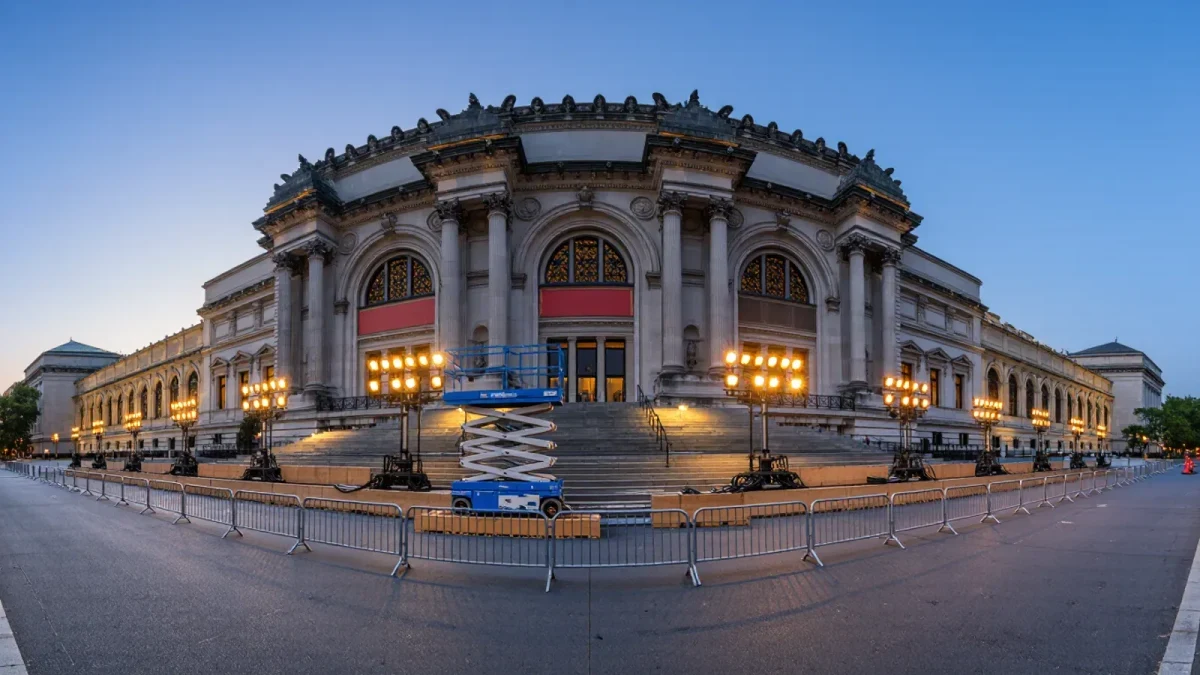
The cause first, the party second. Benefits publish ticket and table prices as contributions, with the tax-deductible portion stated on the solicitation — the difference between price and per-plate cost flows to the mission, and at major benefits that flow is reported in eight figures for a single evening. The Met's own materials describe the gala as the Costume Institute's primary fundraising event, and coverage of the 2023 edition, cited to the museum, put the evening's proceeds at more than $22 million. The table is a donation wearing a dinner jacket, and the buyer knows it.
Why do brands buy tables at all?
For ambassadorial seating, in both senses of the word. Fashion and beauty houses purchase tables and fill them with ambassadors, campaign faces, and editors, per the credited arrival photography and seating reports that follow every major benefit; the table converts a sponsorship line into a dozen styled arrivals on the world's most photographed carpets. A luxury group's marketing budget can buy advertisements in any quantity; it cannot buy ten celebrities photographed in its borrowed couture inside a single venue on a single night. The table is media buy, client hospitality, and talent showcase compressed into one line item — which is why the same houses re-up every year, per the sponsor acknowledgments the organizers publish.
How is a seating chart actually built?
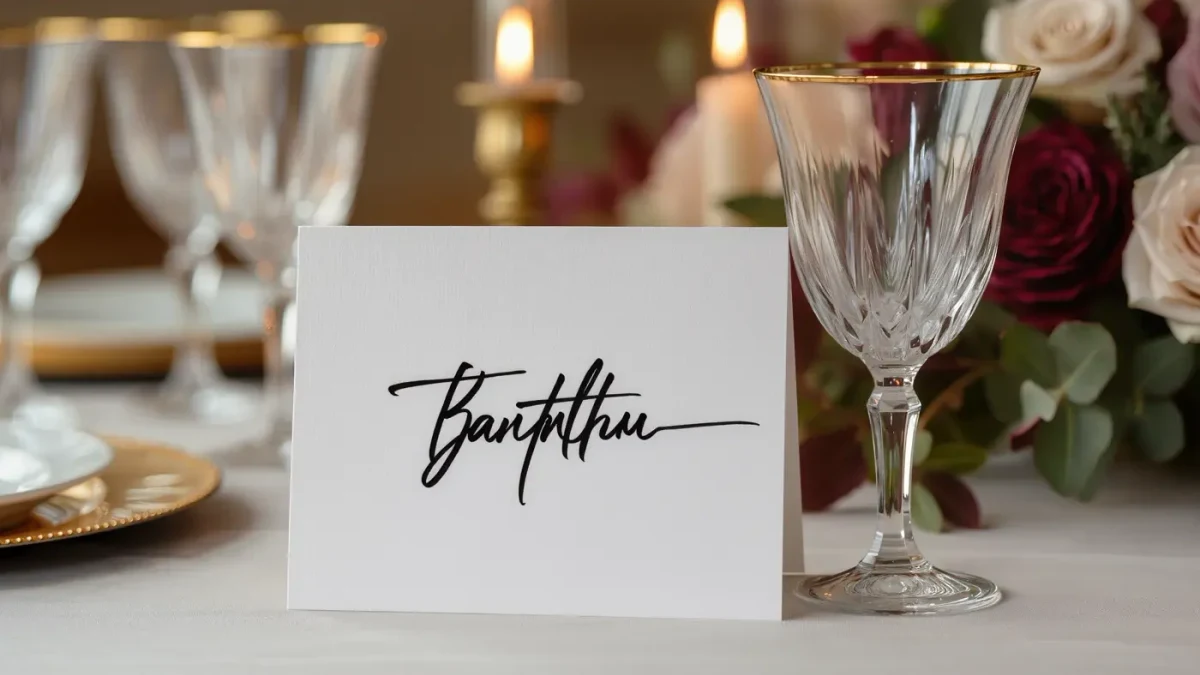
Like a diplomatic summit, with the same allergies. Per published accounts of major benefits, organizers and brand representatives negotiate placements weeks in advance: the honoree's table is reserved for principals, sponsor tables cluster near the stage or the carpet entrance, and exes, rivals, and litigation are seated with treaty-level care. Within a purchased table, the buyer often proposes names and the organization approves them — the guest list, per the Met's published notes for its roughly 400-seat dinner, remains subject to final approval from the top. A seat, in other words, is a suggestion that has been countersigned.
What happens to the guests a brand cannot seat?
They circulate, and that is the point. A benefit's choreography — cocktails for everyone, dinner for the seated, after-party for the connected — means a brand's roster can rotate through the evening's phases even when the table holds only ten. The cocktail hour is the fair; the dinner is the closed session; the after-party is where the borrowed jewels come off. Guests documented at the parties but not the dinner are not lesser guests so much as different denominations of the same currency.
How did the table become the unit of gala commerce?
Because ten is the number that works. A dinner of several hundred guests cannot be sold seat by seat to individuals alone; the arithmetic only closes when organizations, houses, and patron groups take whole tables and take responsibility for filling them. Per the sponsor acknowledgments published by large benefits, the table tier is where most revenue lives — several tables of ten at six figures each outperform any plausible individual-ticket gate. The unit also suits the buyer: a table is a coherent marketing object, with a roster, a look, and a shared arrival moment, in a way that ten scattered seats never are. Hence the modern benefit's shape: a theatre of individuals at the cocktail hour arranged around a floor plan of institutions at dinner.
Why does the dinner still matter if the carpet is the show?
Because the carpet is the advertisement and the dinner is the transaction. The arrivals, as the event's credited photographers capture them, generate the public imagery; the seated hours afterward are where hosts thank buyers, honorees are celebrated by the people who funded the night, and next year's commitments are seeded over dessert. Per organizers' published programs, the evening's speaking moments — the appeal, the auction, the honoree's remarks — are placed inside the dinner precisely because that is when the buyers are captive and the cause is the topic. Remove the dinner and the gala becomes a photo call; keep it, and the photo call pays for a year of the mission.
Is the table worth what it costs?
The renewal rate answers that. Houses and corporations re-purchase tables annually, per published sponsor lists, at prices that have climbed steadily — reported Met Gala table rates rose from $275,000 in 2019 to $350,000 in 2024 per The Times — because the alternative to buying adjacency is watching a competitor buy it. The honest ledger of a gala table reads:
- Access: principals seated near principals, by design.
- Image: ambassadors in borrowed couture, photographed by the event's credited photographers.
- Standing: a sponsor acknowledgment in print, all year.
- The cause: a genuine, reported contribution — the part the evening is for.
Four goods, one invoice. The seating chart is the product; everything else is how it is wrapped.