When a gala changes venues, the move is measured less in miles than in dependencies: every contract, floor plan, load-in schedule, and seating chart built around the old room must be rebuilt around the new one, per the standard practice of the special-events industry. The organizer's materials describe a relocation as its own project, with a months-long critical path of its own — because a benefit's date rarely moves even when its address does. The evening keeps its calendar; the building, the crew, and the choreography all have to catch up to it.
This publishes information, not event-planning advice; the mechanics below are drawn from organizers' published materials, venue-contract practice, and credited trade coverage of documented relocations.
Why do galas move at all?
For reasons the venue controls and reasons the mission controls. The documented drivers, per planning guides and organizers' announcements, include a construction or renovation closing the old room, a guest list that has outgrown the ballroom's licensed capacity, a rent that has outrun the benefit's net, and an institutional change — a new leadership team, a merged organization, a new city for a growing cause. Per the industry's own materials, capacity is the quiet leader: benefits add tables annually, and a ballroom that seats six hundred cannot be persuaded to seat eight hundred by good intentions. The move, when it comes, is usually arithmetic in a tuxedo.
What gets rebuilt first?
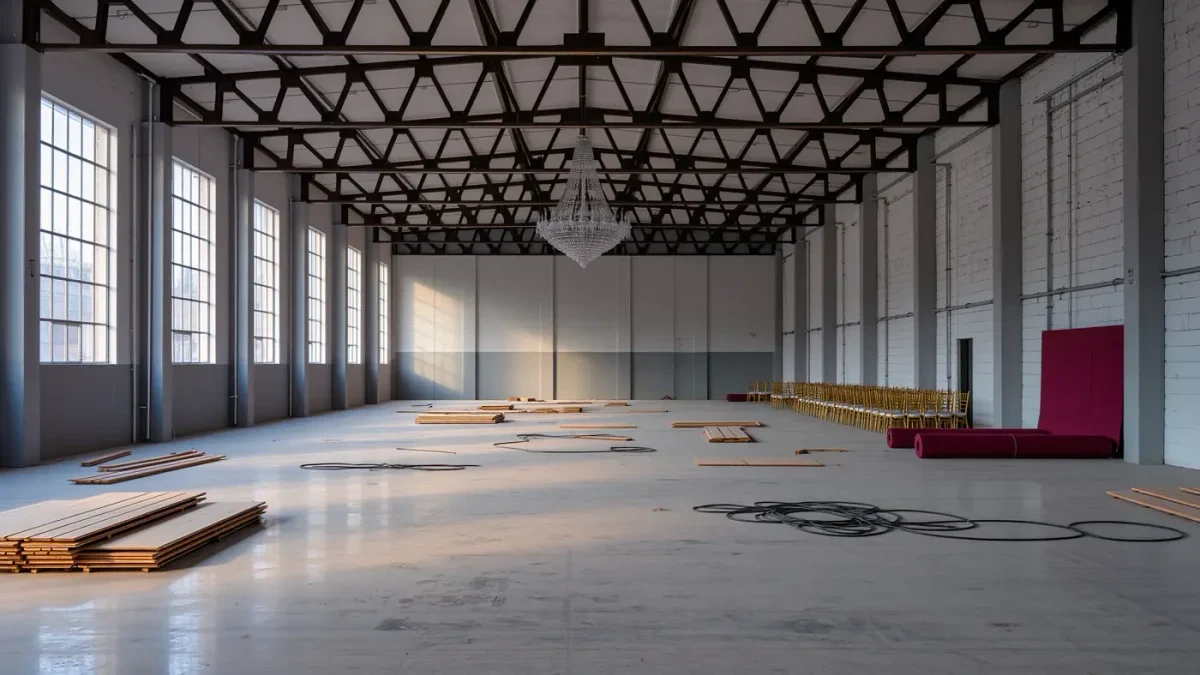
The floor plan, because everything is downstream of it. A new room changes table counts, sight lines to the stage, the carpet's length and orientation, kitchen distances, and the placement of the band, the bars, and the auction display. Per venue-contract practice, the relocation checklist runs:
- License, insurance certificates, and union jurisdiction at the new building, verified before the contract is signed.
- New load-in schedule — freight elevators, docks, and hours the old venue never questioned.
- Vendor re-contracting: caterers, florists, lighting, and security all price the new room from zero.
- Fire-marshal review of the revised occupancy and egress plan.
- The seating chart, redrawn with fresh diplomacy for new table shapes and sight lines.
Per credited trade coverage, the last item generates the most correspondence; guests who accepted a corner table in one building feel no obligation to love their equivalent in another.
How does a move affect the money?
Twice: once in cost, once in yield. Per planning guides, the relocation year typically carries overlapping deposits, new vendor minimums, and a design budget for making the unfamiliar room feel like the benefit's own — costs the first year in the new venue must absorb. Yield risk is subtler. Tables sell partly on familiarity — the same room, the same sight lines, the same corner where the same patrons dine — and a moved gala asks its buyers to purchase the evening again, sight unseen. Per the industry's documented practice, organizers blunt this with floor plans in the sponsorship packets, rendering of the new room, and early anchor renewals from the patrons whose commitment telegraphs stability. The mission's name usually carries the year; the new ballroom merely has to deserve it.
What about the press and the arrivals?
Re-taught, with patience. A carpet is a machine tuned to its building — entry point, rope lengths, lighting positions, and the holding pens the press corps knows by muscle memory. A relocation resets all of it: per credited coverage of benefits that have changed venues, organizers circulate new arrival maps and brief photographers before the night, because a confused press line is a visible failure. The carpet learns the new room in one evening; the lesson costs everyone an early call time.
How far in advance does a relocation need to start?
As early as the reason allows, and rarely later than a year out. Per venue-contract practice, desirable rooms book twelve to eighteen months ahead regardless of the client's urgency, and a relocation must fit its build into the new building's existing calendar rather than the reverse. Organizers' announcements of documented moves typically appear roughly a year before the affected evening — early enough for sponsors to re-commit, vendors to re-bid, and the guest list to hear the news from the organization rather than from a real-estate listing. The one absolute, per the industry's guides: the date is protected before the room is chosen, because donors keep calendars far less flexibly than ballrooms keep them.
What happens to the old venue's memories?
They are archived, professionally. Benefits that move commission final portraits of the old room, per credited coverage of documented relocations — the last seating chart framed for the development office, the carpet's final photographs filed with the press archive — because institutional memory is part of the asset being carried across town. The journal that year typically runs a homage page, and the speeches include a farewell to the building that never once appeared on the budget. The building, indifferent as buildings are, is repurposed; the gala keeps the memories and the mailing list, which were always the transferable part.
What survives the move untouched?
The parts of the evening that were never the building's: the honoree, the cause, the run of show's sequence, and the guest list's social physics. Veterans of documented relocations describe the same discovery afterward — the gala was portable all along, because the ritual traveled inside the people. The new room is absorbed within a cycle or two, per the industry's own accounts; the invitations print the new address in the same copperplate as the old one, and within a year the benefit's regulars describe the new ballroom, without irony, as the place the gala has always been.