The pop-up has become the launch format of record because it does what the launch party does — compresses attention into a single opening weekend — while adding the one thing a party cannot: a till. The retail backdrop is healthy enough to reward it, with holiday sales topping $994 billion in 2024, up roughly 4 percent, per the National Retail Federation's year-end tally. Instead of one night of champagne, brands now rent a corner, print a date on the window, and let scarcity do the entertaining.
Why did the pop-up replace the party?
Because a pop-up is a launch with a heartbeat monitor attached. Per the way retail landlords and agencies describe the format, a store that exists for ten days converts curiosity into measurable traffic, and traffic into sales, while a launch evening produces only photographs and a catering invoice. The opening-night event still happens — a preview hour, a press breakfast, a founder pouring something — but it now sits inside a retail frame where every guest who lines up afterwards becomes revenue rather than an RSVP. The economics inverted the hierarchy: the party became the opening, and the opening became the business.
Scarcity completes the spell. A ten-day lease is a countdown clock, and countdown clocks are the most reliable traffic-driving device in modern retail, as any sneaker queue will attest. Per the format's own playbook, the pop-up sells not only product but permission: buy now, because the room, like the stock, will not exist next month.
What makes a pop-up launch work?
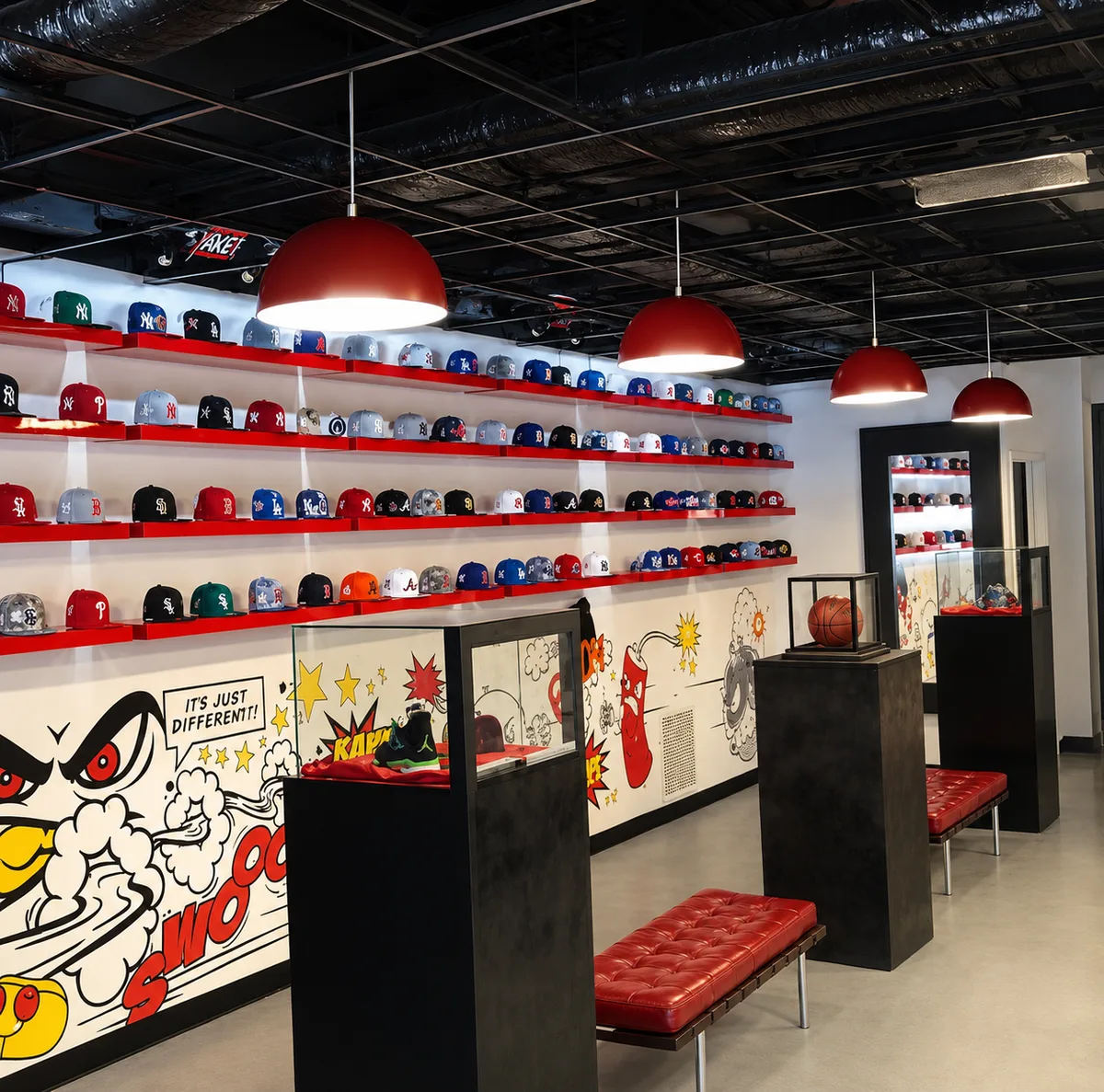
- One idea, executed literally: the best documented pop-ups are immersive arguments for a single product line, not miniature department stores; the room is the campaign shoot, walk-in version.
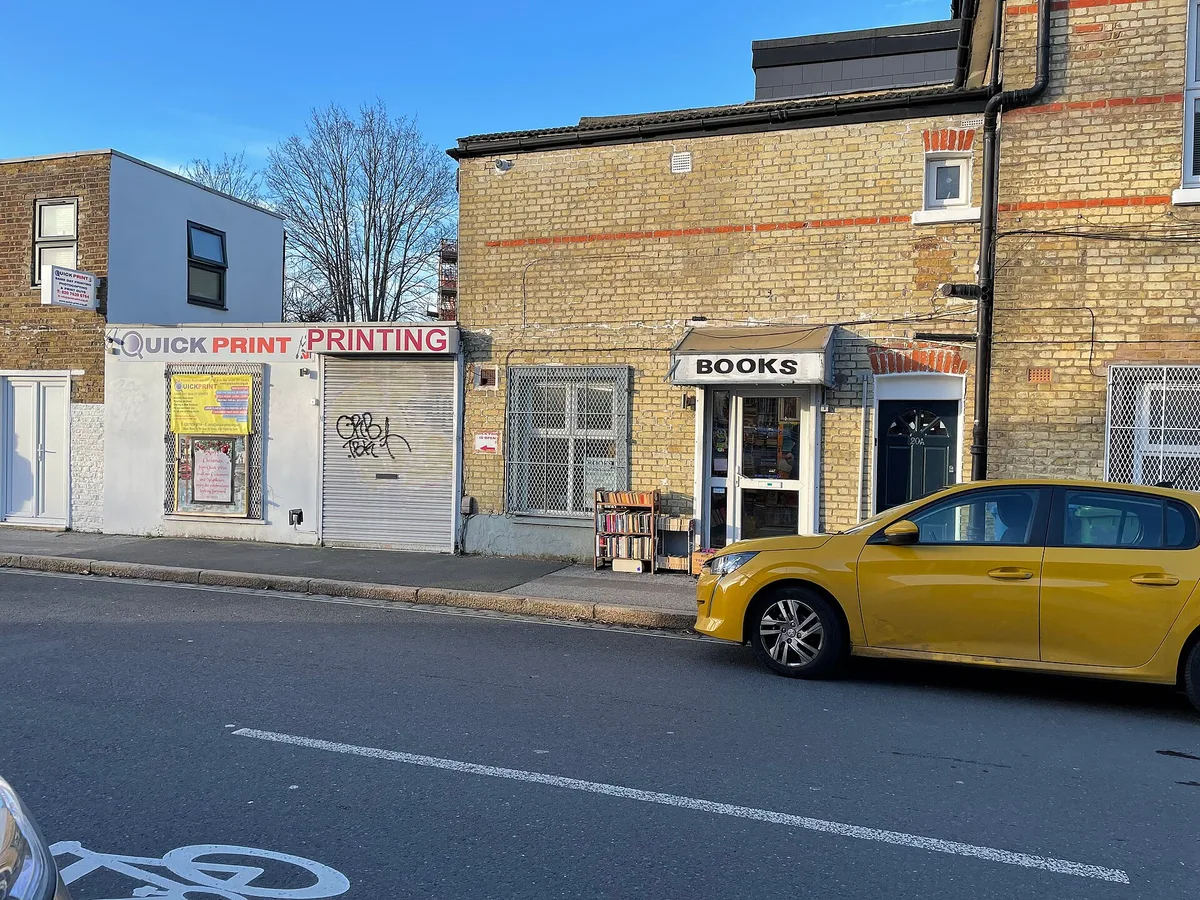
- A location with a story already attached: per landlords' leasing materials, operators pay a premium for spaces whose previous tenants — an old bookshop, a storied diner — lend their history to the brand for a fortnight.
- An exclusive SKU: something sold nowhere else, ideally numbered, so the visit converts even among guests who own the main collection.
- A line worth standing in: the queue is the marketing; producers now design the exterior to be photographed from across the street.
- A clean exit: per standard short-lease terms, the space must be returned bare within days, which shapes every fixture choice toward the temporary.
Who is actually doing this?
The documented roll is long and diverse. Heritage houses use pop-ups to test neighborhoods before committing to leases; direct-to-consumer brands use them as physical previews before wholesale appointments; artist collaborations and beauty houses use them as immersive product installations where the purchase counter is almost an afterthought. Per the trade's own case studies, the format has matured enough that agencies now build dedicated experiential practices around it, and landlords court short-term tenants the way galleries court shows. Even the calendar has a season: the weeks before the holidays, when NRF's own figures show retail traffic at its annual peak, are the most contested dates on the pop-up calendar.
What does a pop-up launch cost compared with a party?
Per the way producers and landlords quote the trade, the two formats converge at the top: a flagship-quality pop-up with custom fabrication can run well into six figures, more than a launch dinner at a good restaurant. But the pop-up spreads its spend across a fortnight of trading and a stream of content, where the party spends its budget in a single night. The pop-up also writes its own report card — daily sales, footfall, conversion — which is why finance departments, historically allergic to launch parties, sign off on them first.
The pop-up's rise, in the end, is less a revolution than a re-pricing: fashion discovered that the most persuasive launch invitation is a door that will soon disappear, and that the public, offered a line and a countdown, will RSVP with its wallet. The launch party is not dead. It has simply learned to keep a cash register by the coat check.
Where did the format come from?
The pop-up's ancestry is longer than its current gloss suggests. Pop-up retail traces to urban market stalls and seasonal shops, gained its modern identity in the 2000s when streetwear labels and independent designers began renting vacant storefronts for weeks at a time, and went mainstream in the 2010s as landlords, burned by retail vacancies, discovered that short-term tenants paid a premium for flexibility. Per the leasing market's own history, what began as an act of thrift — a young brand could not afford a lease — became an act of theater once luxury houses adopted it. The format's modest origins are still legible in its aesthetics: plywood, raw plaster, and a certain deliberate impermanence that no permanent store bothers to fake.
What are the risks?
The format has its own failure modes, and producers catalog them candidly. A pop-up in the wrong neighborhood wastes its fortnight talking to the wrong foot traffic; a line that is too efficient kills the queue-as-marketing effect; a custom build too expensive to amortize in ten days turns the countdown clock into a loss meter. Per the trade's own post-mortems, weather, permits, and last-minute lease negotiations are the three variables most likely to derail an opening weekend. And there is a subtler risk: saturation. When every brand runs a pop-up, scarcity stops being scarce, and the format's core promise — hurry, this disappears — requires ever more elaborate rooms to stay believable. The documented response has been consolidation: fewer, larger, more theatrical openings, with the launch budget folded in entirely, so the first Saturday functions as both a store and a party.