The launches that travel do so because they give guests something to post that says more about the guest than the brand. The ones that flop are usually expensive, well catered, and forgettable. The difference is rarely money. It is whether the party has a built-in reason to be photographed, talked about, and forwarded.
Look at the launch coverage that actually circulates and a pattern holds: the event itself is the content. A room designed for a photograph outperforms a room designed for comfort. That is the honest, slightly cynical arithmetic of the modern launches circuit, and it explains a great deal of what looks, from the outside, like luck.
What makes a launch moment shareable in the first place?
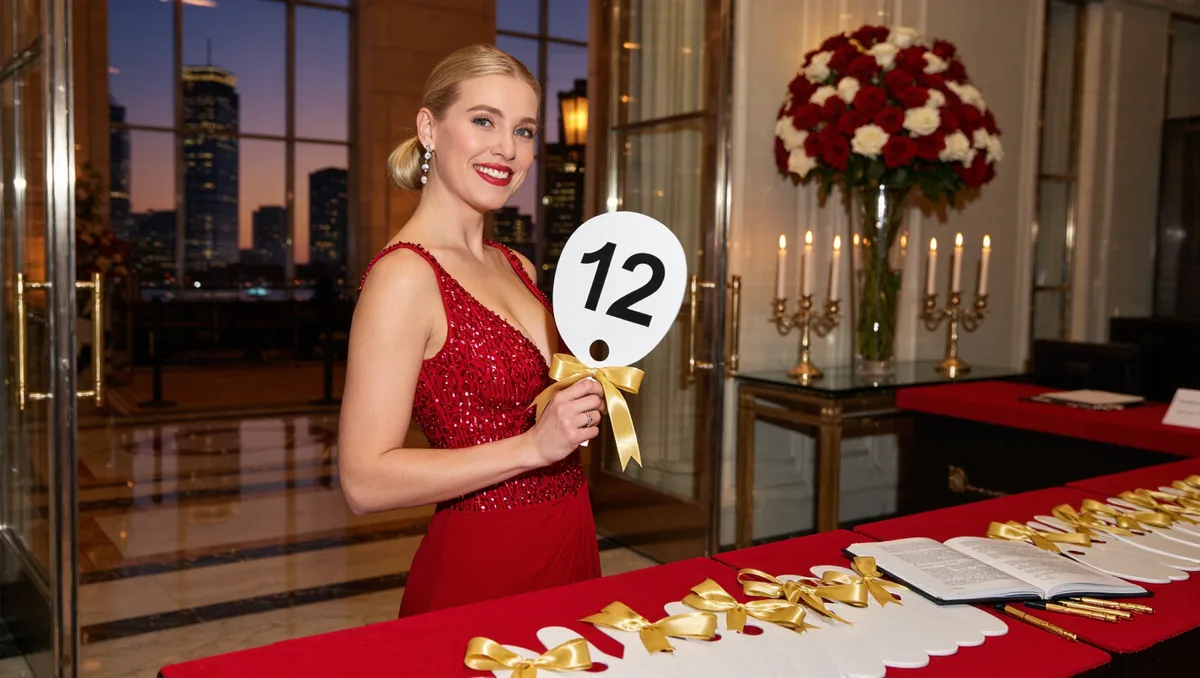
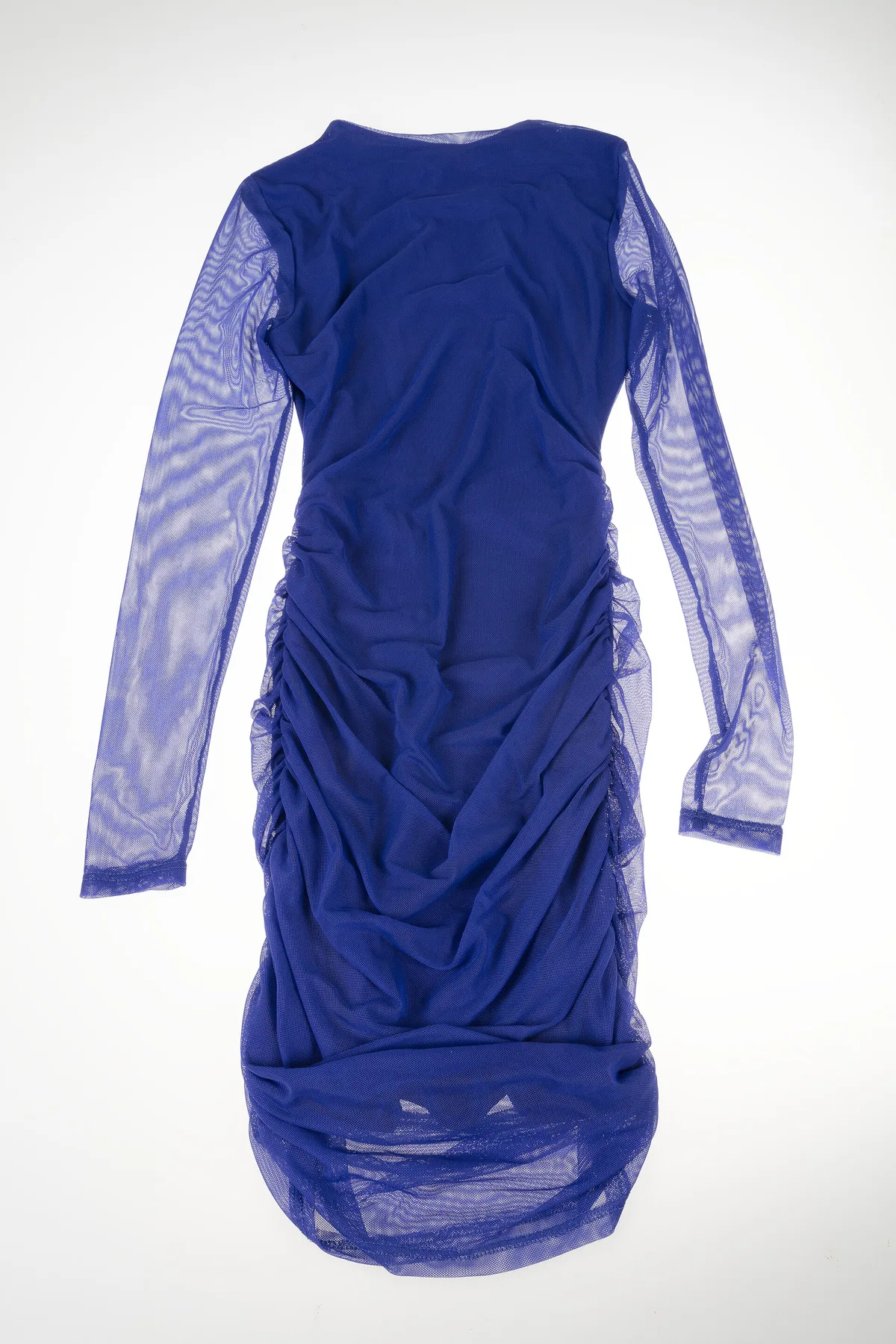
Shareability is a design problem, not an accident. A moment travels when it is visually distinct, easy to capture on a phone, and legible in a single frame. A dramatic installation, an unexpected venue, a garment or object that reads instantly on camera — these do the work. A beautiful but generic ballroom does not, no matter what the flowers cost.
The dictionary definition of the word is a useful discipline here. As Vocabulary.com notes, the noun "why" names the cause or intention underlying an action — and every shareable launch has one stated, legible intention that the room expresses. Guests can explain the party in one sentence. If they cannot, they do not post.
Why do big budgets so often produce quiet launches?
Money buys production values. It does not buy a reason to care. The costly events nobody shared tend to share a set of habits: the concept is generic (a color, a vibe, a "moment"), the room is comfortable rather than striking, and the schedule is built around speeches rather than images. Guests are hosted generously and given nothing to do but stand.
There is also a status problem. A lavish party with no story reads as the brand's celebration of itself. Guests are props in someone else's announcement, and props do not post. A smaller event that makes the guest feel like an insider — first access, a real demonstration, something to try — converts far better per dollar spent, a tension our guide to How to Throw a Launch Event on a Small Budget explores in detail.
What do the viral launches actually have in common?
Strip away the confetti and the common features are plain.
- One photographable centerpiece. Not twelve. A single image or experience that carries the whole story and looks deliberate from every angle in the room.
- A guest list built for overlap, not prestige. The people in the room have to want to be in the same room. Our reporting on how the guest list is built at collection launches shows the mechanics: adjacency beats celebrity.
- A product you can touch. Demonstrations, tastings, try-ons. Interaction creates the second wave of posts — the personal ones, which outperform the wide shots.
- A reason the date makes sense. Timing that connects to a season, a scarcity window, or a cultural moment. The drop model works precisely because scarcity gives the party a deadline.
Notice what is missing from that list: an open bar of legendary generosity. Guests remember generosity, but they do not share it.
What this means for anyone planning a launch
The practical reading is uncomfortable for event budgets. Spend on the one thing people will photograph before you spend on anything they will eat. Decide the single sentence the party is trying to say, then cut every element that does not serve it. A launch with a clear why and a modest room beats a spectacular room with no why — every time, and by a wide margin.
It also means the guest list deserves more attention than the menu. Invite people whose audiences overlap with the brand's actual customer, and give them something worth demonstrating to that audience. The influencer question is its own discipline, covered in Who Makes the Influencer Guest List at a Brand Launch.
Can a flop be rescued after the fact?
Partially, and only through content. The aftermovie pipeline exists because a launch party is now raw material for weeks of posts, not a single evening. A quiet event can still yield a good film if the room produced strong footage. What cannot be rescued is an event that produced no distinct images at all. That is the real failure mode: not a party that flopped publicly, but a party that never registered — the expensive evening that generated nothing to share and therefore, in the terms this business now runs on, never quite happened.
The evidence for all of this is qualitative, drawn from the visible pattern of what circulates and what doesn't. No one publishes a reliable league table of launch performance, and anyone selling one should be treated with suspicion. But the pattern itself is hard to miss: the launches that go viral are designed for sharing from the first sketch, and the ones that flop were designed for the guests who came. In this market, only one of those designs survives the evening.