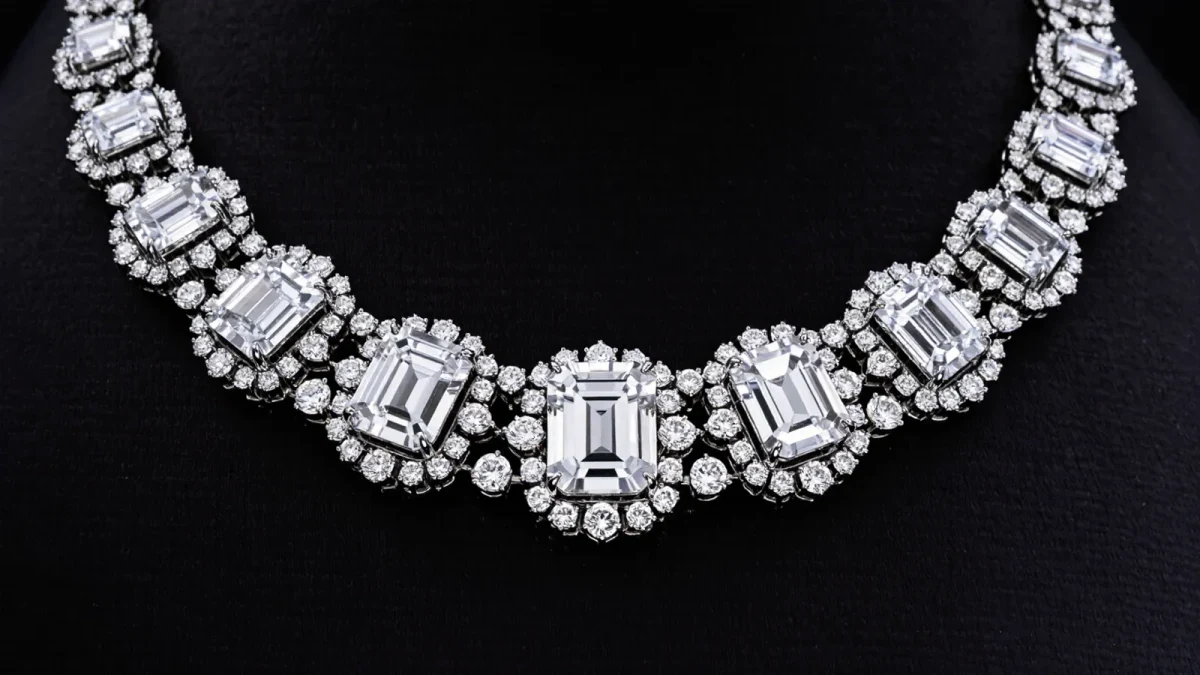
The diamonds that close a red carpet are rarely owned by the neckline they light up; they are placed — after weeks of what the trade calls lobbying, the polite campaign by which a maison's high jewelry team wins a star's collarbone for the night. The machine behind the placement is one of fashion's most disciplined: the Cannes festival's longtime official partner Chopard, whose Red Carpet Collection has been created since 1998 under co-president Caroline Scheufele, describes its 2025 edition, Caroline's Universe, simply as designed for actresses to choose daring pieces they will sparkle in on the steps — the loan, in the brand's own phrasing, is the product.
What follows is the documented anatomy of that system, drawn from the houses' own materials and credited coverage; this publication reports the choreography, not the private contracts.
What does lobbying for a loan actually involve?
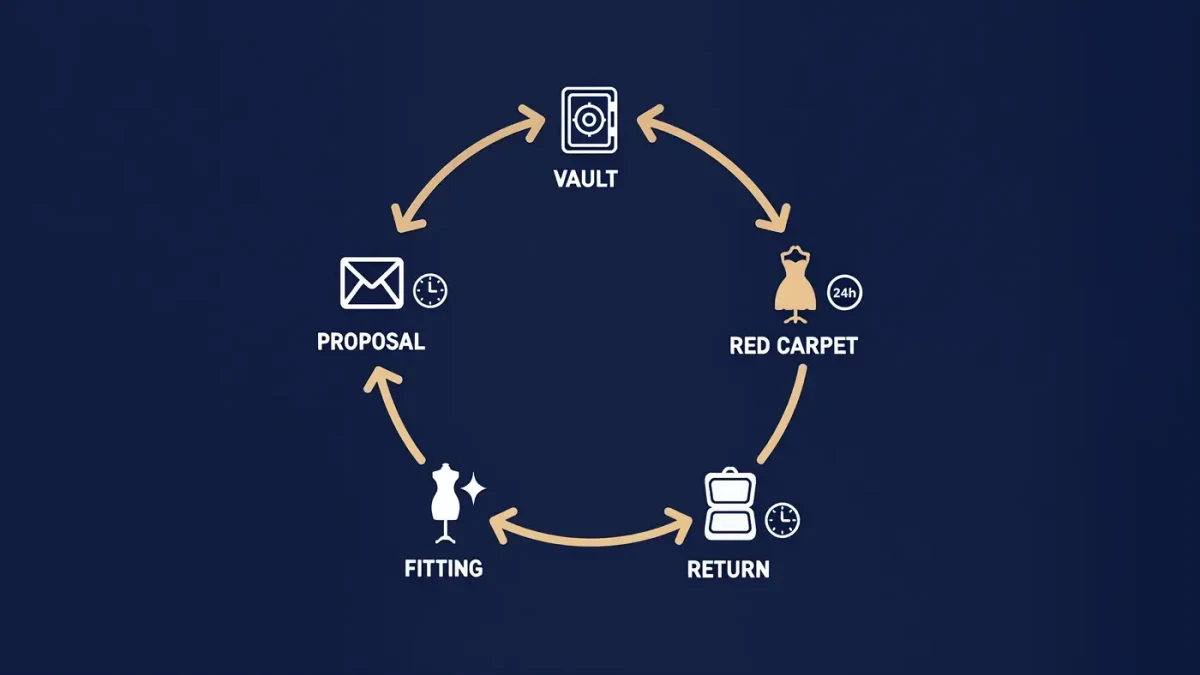
Stylists and jewelers' representatives begin weeks out: a house proposes pieces for a known appearance, photographs and sketches travel, and a fitting is arranged — often a separate appointment from the gown fitting, since a collar that fights a neckline loses both. The competition runs in both directions. Stars with a choice of vaults angle for the one-of-one piece that no one else will wear that season; houses angle for the neckline whose photographs will carry their name across every credited caption. Neither side calls it advertising. Both sides know exactly what it is.
How is a multi-million-carat loan protected?
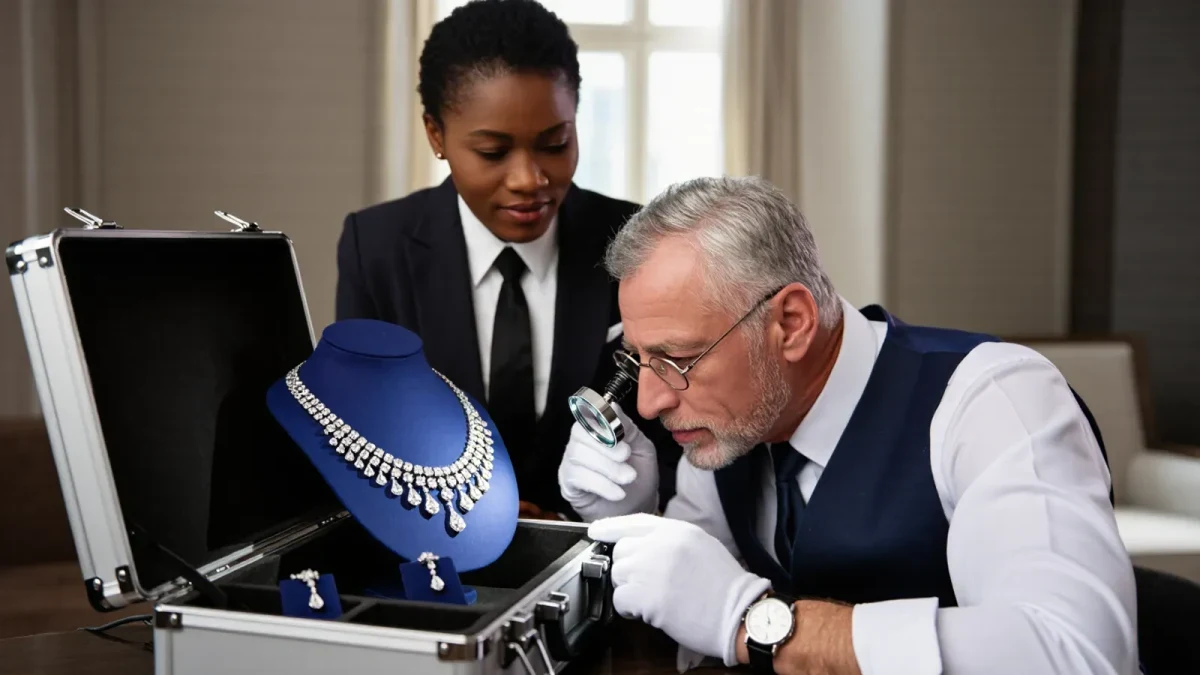
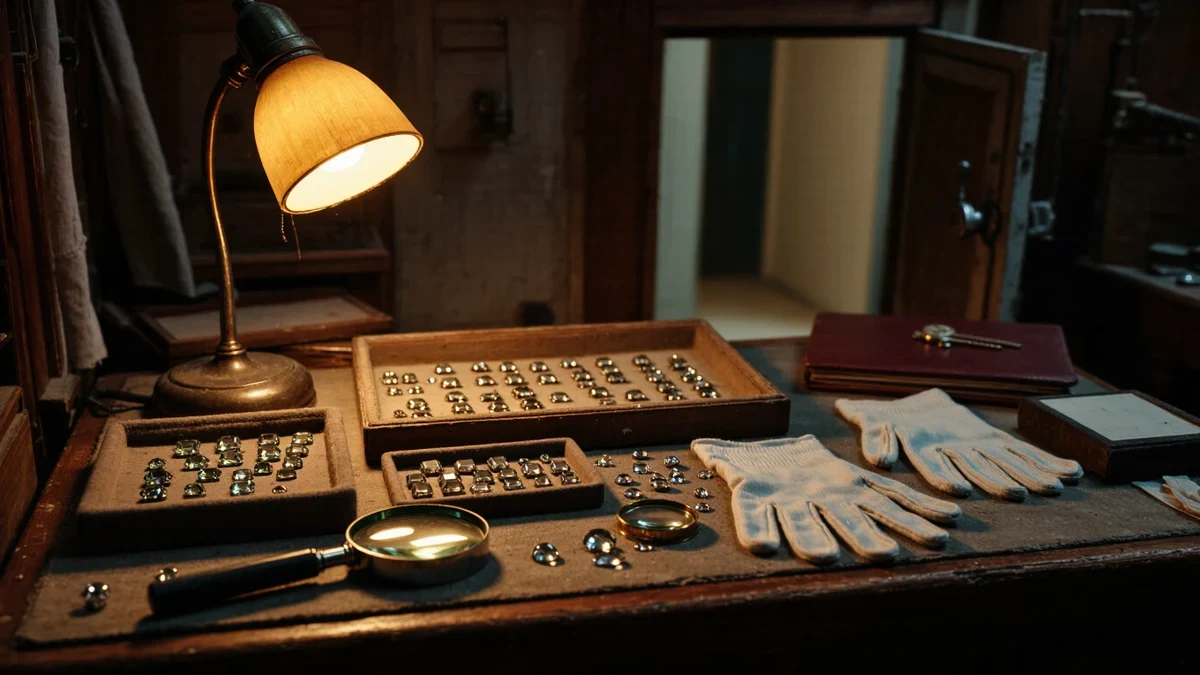
By logistics borrowed from banking. High jewelry travels under escort, frequently in cases that look nothing like jewelry boxes; pieces are alarmed at the source, tracked through transit, and covered by specialist policies — the jewelry trade's standard jeweler's-block insurance, designed for exactly this traffic. On the night itself, the returning glance: security near the arrival line, a rep from the maison in the wings, and a scheduled hand-back, commonly within 24 hours of the event, when the piece is inspected, photographed, and logged back into the vault. The glamor lasts one evening; the paperwork is permanent.
Why do houses lend rather than advertise?
Because the photograph outperforms the placement. A print or film advertisement is identified as advertising; a carpet photograph of a documented loan is a credit line — jewelry by the house, per the stylist's posted breakdown — that runs in coverage the reader chose to open. Per Chopard's own festival materials, the Red Carpet Collection exists to adorn the stars on the ascent of the steps: the maison is buying the sentence, not the space. A single well-photographed necklace at a major premiere can anchor a maison's high jewelry story for an entire season of coverage.
What has changed in recent seasons?
Volume and documentation, mainly. The collections built for the carpet have grown — Chopard's festival collection has been produced annually since 1998, each year sized to dress a festival's worth of ascents — and the credits have tightened, with stylists posting full jewelry breakdowns within hours. The result is a circuit that is more professional, more visible, and more exactly credited than the one the fashion pages described a decade ago. The lobbying still decides who wears what. It simply leaves a better paper trail.