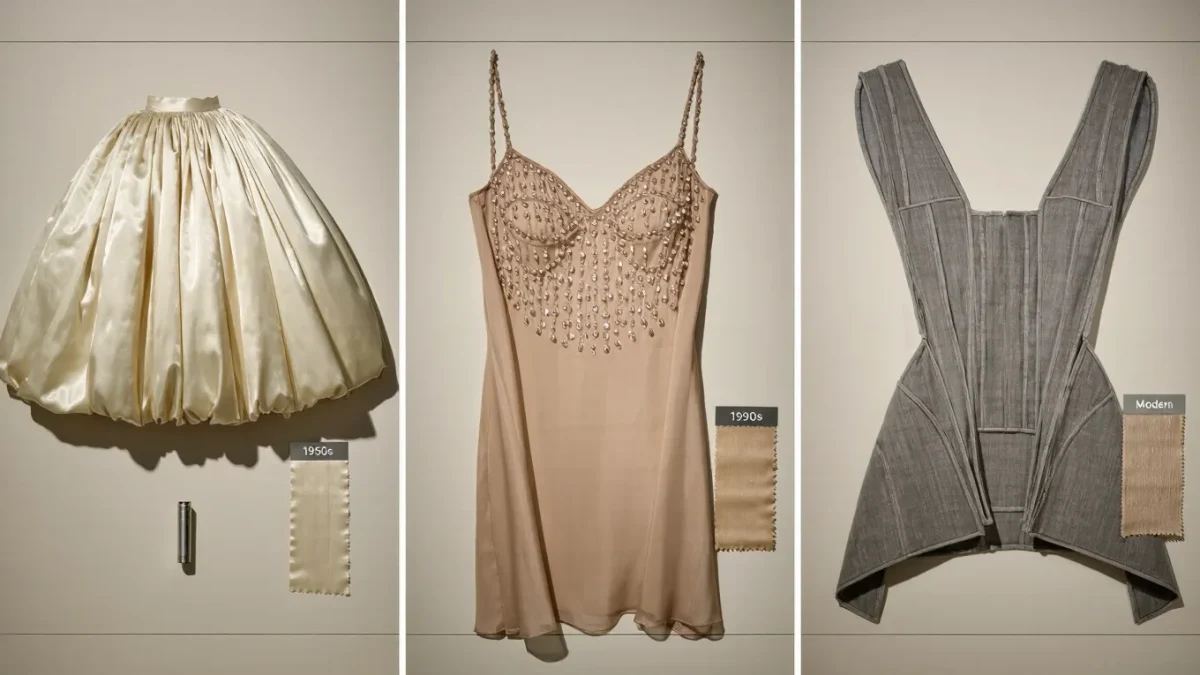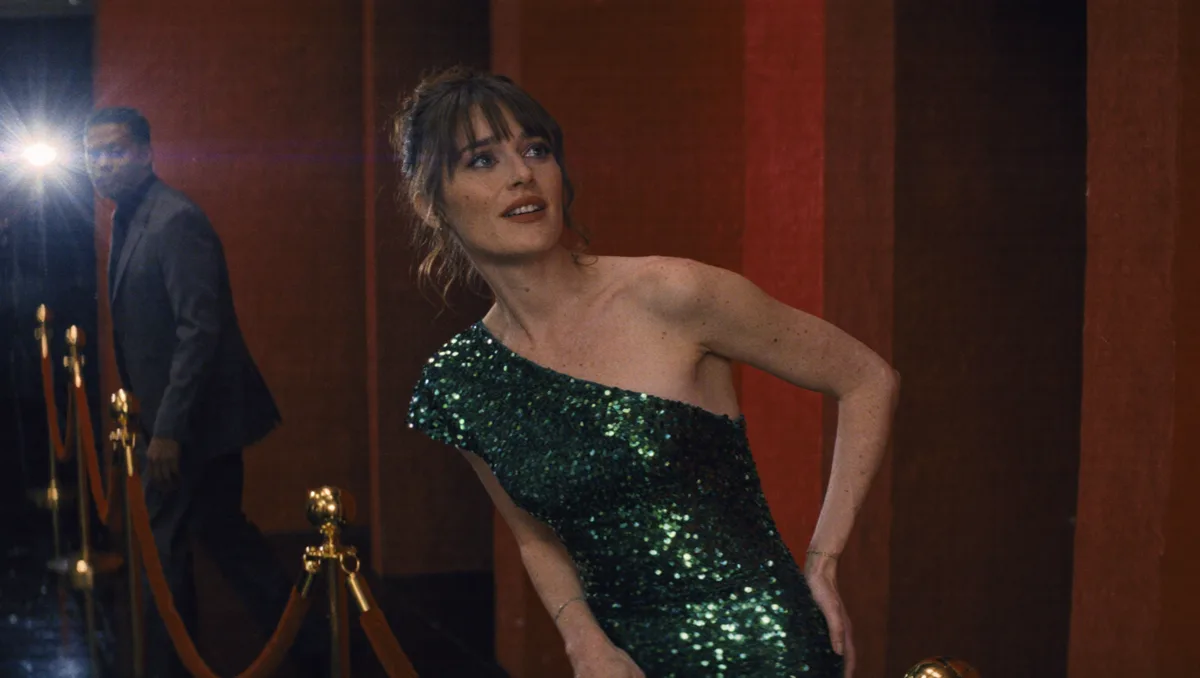
Most red carpet gowns do not retire after the flashbulbs; they move. A dress walks once, then re-enters the machinery — returned to the house for its archive, re-loaned to the next fitting, auctioned for a cause, or released into a resale market that per ThredUp's 2025 Resale Report is projected to reach $367 billion globally by 2029, growing about 2.7 times faster than the wider apparel market. The gown's second act is quieter than its first, and better documented.
The trade itself is straightforward to describe and strict in its rules: this publication describes the market, not the price tags, and outfit credits travel with the garment exactly as the houses supply them.
Where does a gown go the morning after?
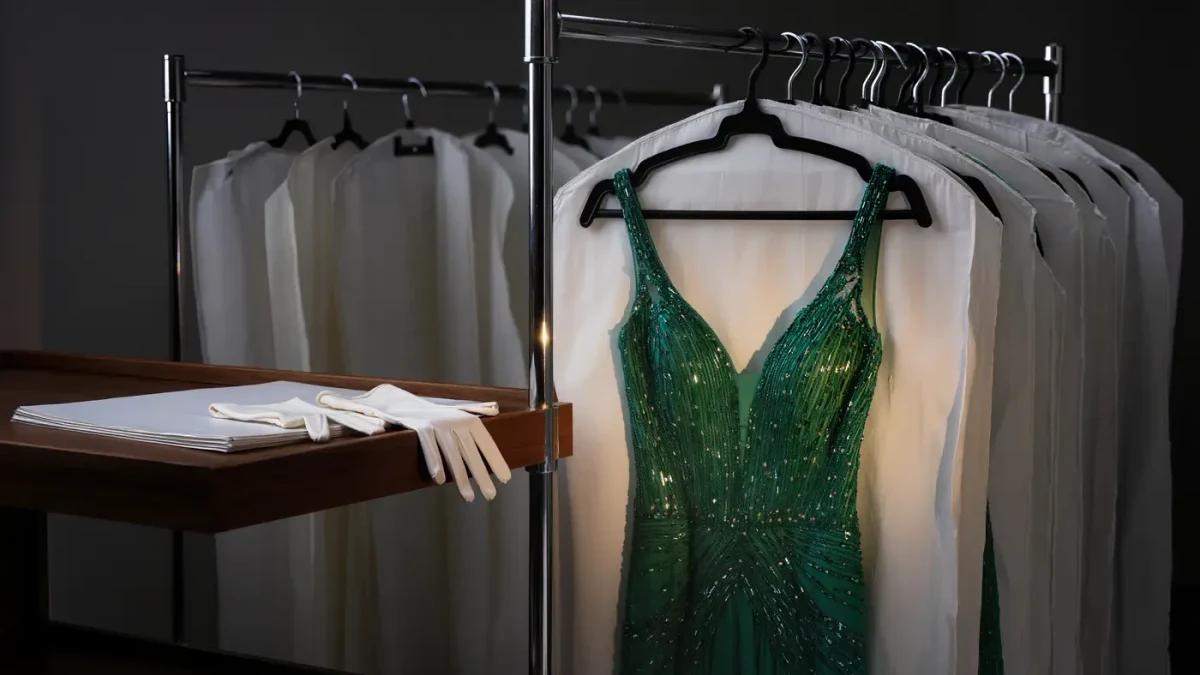
Usually back to the maison. Houses maintain archives of carpet-worn pieces for three practical reasons: the records — who wore what, when, photographed by whom; the loans — archive pieces are requested by stylists for later appearances because provenance is the point; and the exhibitions, where a documented carpet look becomes museum material. The morning-after logistics are handled by the stylist's team and the house's press office, which is why the credit line on a look is settled before the gown ever leaves the building.
When do carpet gowns actually reach the market?
When the documentation is strong enough to price. Auction houses have long handled historically significant worn pieces — the value sitting less in the fabric than in the credited record of who wore it and where. Museum deaccessions and estate sales feed the same channel. What the contemporary resale platforms added, per the ThredUp 2025 report's arithmetic of a market growing 10 percent a year toward $367 billion by 2029, is volume: celebrity-adjacent pieces from closets and costume archives now move through consignment at a scale the auction room never attempted.
Who decides whether a gown is archived or resold?
The house, in nearly every case that matters. A maison weighs three things: the look's documentation, its future loan value, and the brand's position on secondhand circulation — some houses quietly buy back signature pieces to keep them out of the market. Records of who-wore-what, kept by the press offices and credited publications, are the asset being managed. A gown without a documented moment is fabric; a gown with a photograph, a date, and a house credit is inventory. The credit lines this publication insists on are, it turns out, the same lines the resale market prices. Stylists speak of "books" — the photographic record of a look — and a strong book is precisely what moves a consignment from rack to featured listing.
What should a reader take from the numbers?
That the second life is now an industry, not an anecdote. Per ThredUp's 13th annual report, published in 2025, the global secondhand apparel market was growing about 10 percent annually toward $367 billion by 2029 — a projection the resale platforms cite in every pitch to brands. The carpet's contribution to that figure is small but disproportionate: gowns carry photographs, provenance, and press cycles no ordinary garment can match. The flashbulbs fade; the paperwork compounds. The resale machine runs on exactly what the carpet produces — evidence.