Most red carpet gowns go home to the house that lent them, returning through the press office's ledger within days of the event per documented loan practice — cleaned, inspected, and re-shelved in the archive from which samples circulate. The exceptions are the ones that make history: when a carpet-adjacent gown with true provenance reaches auction, the numbers are remarkable — the crystal gown Marilyn Monroe wore for her 1962 “Happy Birthday” performance sold for $4.8 million at Julien's Auctions in November 2016, per the BBC's report at the time, a record for a dress.
Between the loan return and the auction block lies a whole documented ecosystem of archives, restorations, museum gifts, and the occasional theft. (The desk attended nothing; this account draws on auction records, museum documentation, and credited press reporting.)
What Happens in the First Days After the Event?
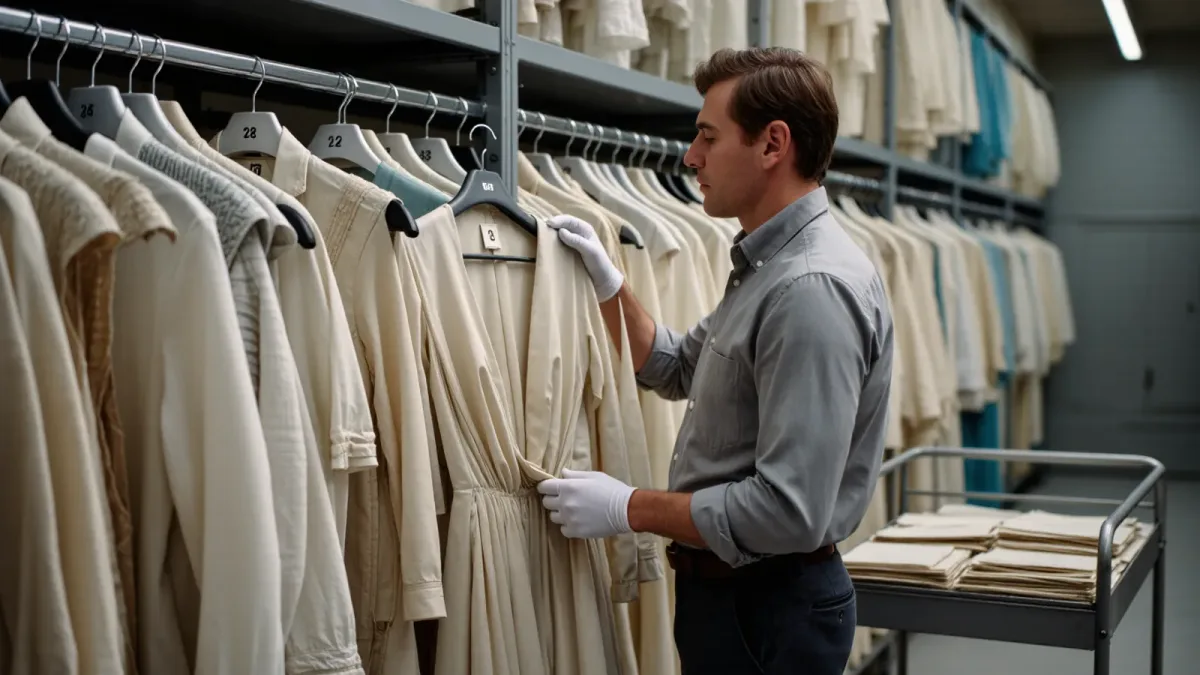
The reverse logistics, run on deadlines. Per the pull-letter system documented through house press offices, samples are due back within a few days: the gown is inspected against its condition record, cleaned only by the house's own specialists if cleaning is needed at all — some embellishments cannot survive conventional treatment — and returned to the sample archive or the couture atelier. Alterations made for the client are documented; the house decides whether the sample returns to circulation or retires to its permanent collection. Jewelry and accessories follow the same clock, their loans covering the evening and expiring almost immediately after.
The return itself has choreography. Documented practice is a hand-off, not a drop-off: the sample travels in its cotton garment bag with the alteration notes folded inside, signed over at the press office's desk, and re-entered into the archive's condition ledger the day it arrives. Conservers look for three things first — stress at the seams, loss at the beadwork, and any trace of the client's perfume, which archival practice treats as contamination because acids migrate into silk over years. A gown that passes inspection returns to the lending shelf; one that does not goes to the atelier, where the repair is documented as carefully as the original construction.
Do Houses Keep Carpet Gowns Forever?
The significant ones, yes. Major houses maintain documented archives — part museum, part lending library — where carpet-worn pieces sit alongside runway originals. The archive serves three documented functions: it preserves the house's history, it supplies future exhibitions, and it forbids the one thing the market would love, which is resale. A couture sample that appeared on a famous carpet is precisely the piece a house will not sell, because its value as heritage now exceeds anything the market would bid.
How Does a Gown End Up in an Auction Catalog?
Through ownership, not loans. The pieces that reach the saleroom come from estates and private collections — garments actually owned by their famous wearers or their circles — with provenance documented to the auction house's standard. The Monroe gown's $4.8 million result in November 2016, per the BBC, showed how far documented provenance can carry a price; auction records from specialists like Julien's have built the category into its own market, where a garment's carpet or stage moment is the headline of the catalog entry, not a footnote.
What About the Gowns That Vanish?
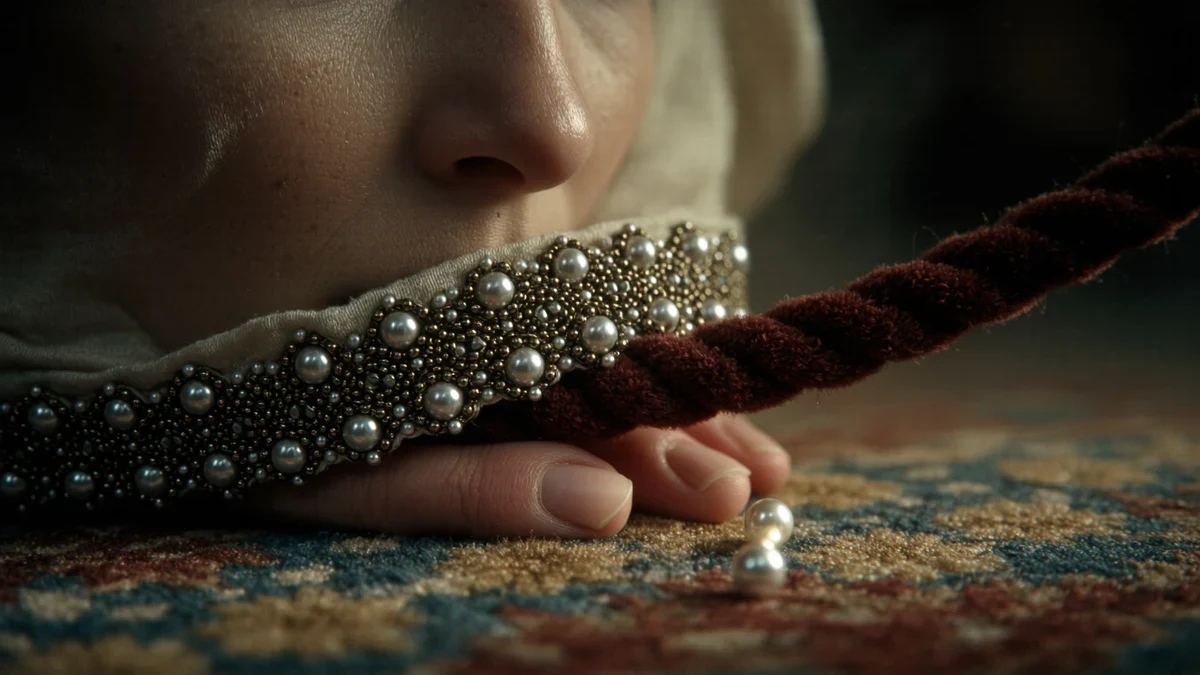
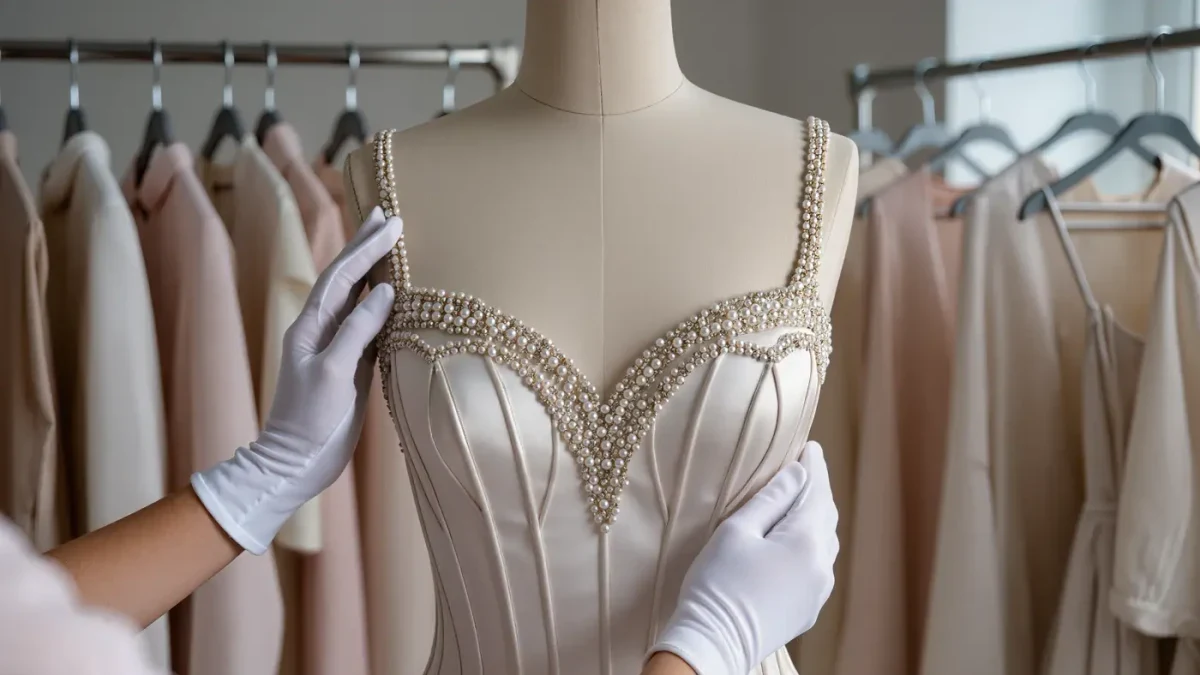
Their stories occasionally end well. The most cited case of the past decade: the pearl-embellished gown Lupita Nyong'o wore to the 2015 Academy Awards was stolen from her hotel room in February 2015 and recovered within days, per reporting by Reuters and other outlets at the time — a reminder that a carpet gown's insurance value can reach six figures and that its security plan is part of the loan. The documented lesson for houses: the return clock starts the moment the carpet ends, and nobody is relaxed until the ledger closes.
Can the Public Ever See These Gowns Again?
Increasingly, yes. Museum costume shows borrow from house archives; houses lend to retrospectives; and charity auctions occasionally place a documented carpet gown back into circulation for a cause, with proceeds credited to the organizing institution. The gown's itinerary after its one photographed night is longer than most careers — archive shelf, conservation table, exhibition case — and the credit line follows it everywhere.
The market's appetite is documented enough to have its own rhythm. Specialists report that celebrity garments with airtight provenance — photographs of the owner wearing the piece, letters, tailor's records — routinely outperform their estimates, while pieces whose paper trail has gaps sit unsold regardless of beauty. Provenance, in this trade, is the garment's second fabric: the thread you cannot see, and the only one that cannot be re-sewn.
What Do Stylists Keep When the Gown Goes Back?
The record, mostly. Documented practice among stylists is an archive of their own — fitting photographs, credit confirmations, and the occasional swatch — because a look's afterlife in coverage becomes the stylist's portfolio and, sometimes, an exhibition loan request years later. Houses keep the gowns; the teams keep the proof of the night they were worn, filed under the only date in fashion that never moves: the carpet's.
A gown is worn once and cataloged forever.
The Afterlife, in Brief
- Loan samples return to house archives within days, per documented pull-letter terms.
- Auction prices belong to owned gowns with documented provenance — the $4.8 million Monroe sale of November 2016 remains the benchmark.
- Museums and charity auctions give the public its rare second look.