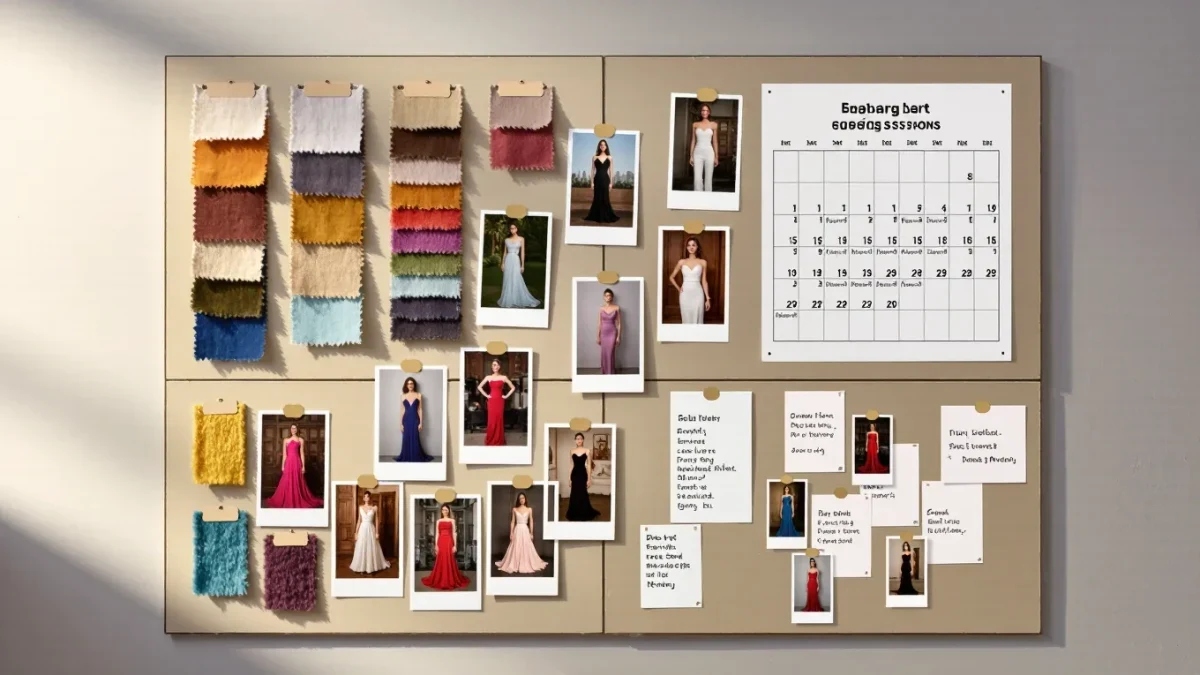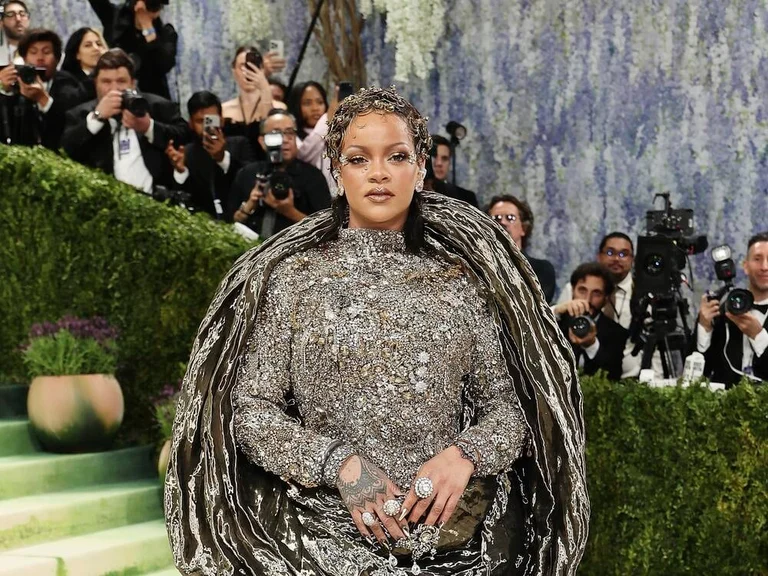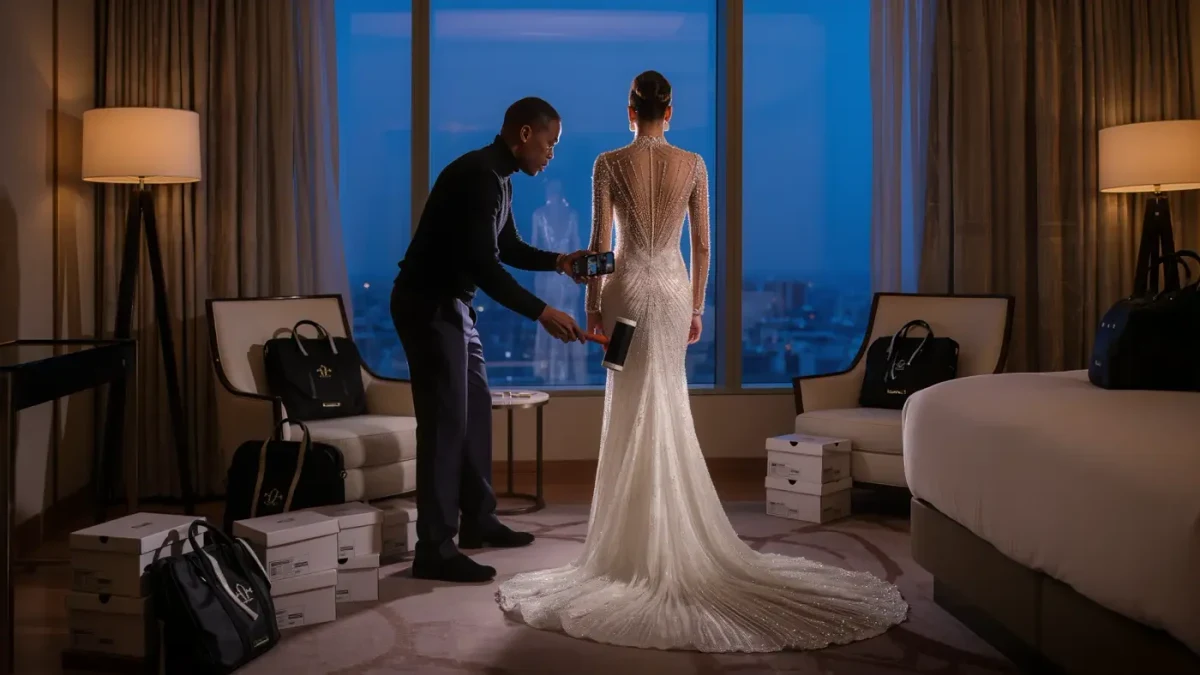
The stylist credit is now a settled fact of carpet coverage — as of 2024, major outlets' look captions routinely name the stylist alongside the house — but its ownership was contested for years, and the war's most dramatic documented casualty came in March 2023, when Law Roach, the stylist behind Zendaya's most-cited carpet eras, announced his retirement from styling at age 44, saying his cup was “empty,” per the BBC's report at the time. The announcement read, industry-wide, as a verdict on the job itself: maximum influence, historically minimum credit.
How the credit line was won — and who still fights over it — is a story the captions only recently began telling. (The desk attended nothing; this account draws on credited trade coverage and the documented public record.)
When Did Stylists Start Getting Credit at All?
Later than the work deserved. Through the 1990s and early 2000s, documented coverage treated styling as invisible labor: gowns were credited to houses, jewelry to lenders, and the person who assembled the look appeared, if at all, in a magazine's fine-print masthead. The shift arrived with the celebrity-coverage boom of the 2010s, when stylists became public figures on social platforms and publications began naming them in carpet captions — a practice that by the 2020s, per outlets' own look coverage, was standard on every major carpet. The credit line's history is barely two decades old; the fits it describes go back to studio-system wardrobe men.
What Exactly Is a Stylist Claiming Credit For?
The curation, not the couture — a distinction that fuels the wars. The documented division of labor reads like a film's credits: the house made the gown; the atelier altered it; the jeweler lent the stones; the stylist conceived the look, negotiated the loans, and sold the client on all of it. When a caption reads “dress by X, styled by Y” it is apportioning authorship of a collaboration — which is why houses once bristled at sharing billing, and why stylists' associations have pushed for decades for formal recognition, per credited trade reporting on the profession's organizing efforts.
Why Did the Fight Turn Personal?
Because the credit turned out to be currency. A named stylist builds a client list, a salary scale, and — the documented modern stage — a brand of their own, with licensing deals and judging seats built on the carpet reputation. Trade coverage of the profession has reported stylists' annual earnings for top celebrity clients reaching into seven figures, per industry rate reporting as of the 2020s, a figure unthinkable in the uncredited era. The fighting, when it surfaces, is documented less as feuds than as authorship disputes: who found the archive piece, who negotiated the loan, whose idea the theme was. On a carpet, attribution is the résumé.
What Did the Roach Retirement Change?
The conversation, permanently. The March 2023 announcement, per the BBC's report, prompted the industry's broadest documented discussion of stylists' workloads — the loans, the fittings, the 4 a.m. call sheets — and of credit as compensation rather than vanity. Roach himself, per his own public statements at the time, framed the exit as exhaustion rather than grievance; the industry's response treated it as data. Subsequent coverage of carpet credits has grown more careful about attribution, and the stylist's name, once negotiable, now appears to be non-negotiable.
Where Does the Credit Go Next?
Toward formalization. The documented frontier is institutional: professional councils for stylists, credited columns in coverage, and award categories that name styling outright. The endgame the profession describes is prosaic and revolutionary at once — that a carpet look be credited as completely as a film, from garment to concept, with every contributor's name attached. The wars end, if they end, when nobody has to fight for the line.
The wars' subtler front is the house's side of the ledger. Documented brand practice includes press offices declining to confirm a look when the credit wording misattributes it, because dress-by, styled-by, and the newer look-by carry different weights in a caption, and teams negotiate the verb as hard as the noun. Archive houses add a further clause: vintage pieces are credited with their era and origin house, and stylists who surface them describe the find as their own authorship claim, filed in the only court fashion recognizes, which is the next carpet.
The client's side of the table has its own documented view: stars increasingly arrive with a stylist already attached and a working method already negotiated, which means the credit conversation begins at hiring, not at the caption. Publicists confirm the order of operations — name the stylist, then the house, then the jewels — because the industry learned, expensively, that a look published without its author invites the author to correct the record. The correction always arrives. It simply arrives faster now.
For decades the look spoke for itself. Now it has a lawyer.
The Credit Line, in Brief
- Stylists' names became standard in carpet captions only in the 2010s-2020s, per outlets' own look coverage as of 2024.
- Top stylists' earnings reportedly reach seven figures annually, per industry rate reporting as of the 2020s.
- The March 2023 Law Roach retirement, per the BBC, made credit a documented industry-wide conversation.
History, for once, is documented on the stylists' side too. The trade's own archives record the milestone moments: stylists interviewed as named experts in the 2010s, dedicated trade coverage of the profession's star names by the 2020s, and award-season roundtables where the stylists, not the stars, are the billed guests. What began as a caption dispute has ended, provisionally, as a profession with a public face — and the face, fittingly for fashion, is very well dressed.