A gown steps out of a car, holds still for forty photographers, and by morning it has been screenshotted, cropped, argued about, and added to wish lists. That is the strange arithmetic of red carpet fashion influence: a look built for a single evening becomes a selling tool that works for months. The carpet is no longer the end of a dress's job description. It is the launch event.
The mechanism is simple enough. A premiere or galas season puts a garment in front of more eyes in one night than most advertising campaigns reach in a quarter, and it does so with the most persuasive endorsement available — a famous person who chose it. Retailers and fast-fashion houses watch the same feeds everyone else does. When a look catches fire, the copying begins almost immediately, and versions priced for the rest of us follow within weeks.
What that means for a shopper is that the carpet functions as a mood board for the entire retail year. Colors, necklines, and silhouettes that appear on awards season's biggest nights tend to surface in high-street collections before the next season's shows have finished. The pipeline from step-and-repeat to shopping rail is faster than it has ever been, and understanding how it runs is the difference between wearing a trend and being worn by it.
Why does one night on the carpet move the market?
Because the carpet compresses everything fashion marketing wants into a single image. A runway show is a controlled, insider event; a carpet appearance is a public one, photographed from every angle and judged instantly by millions. The garment is worn, not styled on a hanger. It moves, it sits, it survives flashbulbs. That is a more complete demonstration of a dress than any lookbook can offer.
There is also the matter of narrative. A carpet look arrives attached to a film, a cause, a moment — as our piece on the anatomy of a red carpet explains, the whole apparatus is built to produce exactly one unforgettable frame. Retailers are not buying the dress. They are buying the frame it comes in. A color that reads as merely pretty on a rail reads as brave when it has already been worn down a carpet of flashbulbs.
And the audience is primed to look. Awards season trains viewers to treat the carpet as a competition with visible stakes, which is why a single appearance can generate more conversation than a whole collection. Our look at how a red carpet look gets planned months before anyone arrives shows how much deliberate work sits behind the spontaneity — and that deliberateness is precisely what makes the result so copyable. We covered a connected angle in How a Red Carpet Look Gets Planned Months Before Anyone Arrives.
How fast does the runway-to-retail pipeline actually run?
Fast — but with a split personality. The industry has always had two clocks. The traditional one runs on the fashion calendar: a look is shown on a runway, orders are placed, production begins, and garments reach stores months later. The second clock is the one the carpet set running: the moment a look goes viral, manufacturers begin cutting patterns for versions that can hit inexpensive retail channels within weeks, sometimes days.
The split shows up in what you find where. The official house may not produce the carpet gown for sale at all — couture-level construction rarely translates to ready-to-wear economics. Instead, the influence travels sideways. The neckline shows up on next season's occasion dresses. The color palette migrates into accessories and cosmetics. The silhouette gets softened and simplified until it can be cut cheaply and shipped quickly. What reaches the high street is rarely the look itself; it is the look's most commercial idea.
Speed also changes who wins. A brand that can move from screenshot to sample in a fortnight captures the demand while it is hot. A slower house captures the demand that lasts — the customer who saw the look in February and is still thinking about it when wedding season starts. Both are playing off the same carpet moment.
What does the carpet teach about color?
Color is where carpet influence is easiest to see, because a color needs no fitting and no budget to be adopted. When a particular red dominates a season's biggest carpets, it does not stay there. It moves into lipstick counters, nail shades, and the racks of every store that noticed the same photographs you did.
Red is a particularly instructive case, because its pull is old and well documented. As Wikipedia's entry on the color red records, red pigment from ochre was among the first colors used in prehistoric art, and modern surveys in Europe and the United States show red is the color most commonly associated with heat, activity, passion, love, and joy — associations that make it a reliable carpet choice when a stylist wants a look to be remembered. The same source notes that in China, India, and much of Asia, red symbolizes happiness and good fortune, which is one reason a red carpet look travels so easily across markets.
For the shopper, the practical reading is this: when one color keeps appearing on carpets, assume the stores have noticed too. The color will be everywhere within a season, first at the top of the price range and then cascading down. Buying the color early costs more; buying it late means choosing from picked-over racks. Neither is wrong. They are just different bets on the same pipeline.
Who decides which looks get copied?
Nobody officially, which is the interesting part. There is no memo that designates a look trendworthy. The decision is made collectively, in real time, by the interaction of three groups: the stylists and houses who put the look together, the press and social feeds that amplify or ignore it, and the merchandisers at retail brands who watch the amplification numbers and place their bets accordingly.
The stylist's role deserves its own attention — our reporting on the stylist credit wars covers who really gets named for a look — because the stylist is effectively the pipeline's first filter. A look that survives the carpet has already passed through fittings, approvals, and the embargo choreography described in why outfit credits wait for the carpet. By the time a merchandiser sees it, it has been vetted by professionals whose livelihoods depend on reading what will photograph well.
That vetting is why carpet looks convert so reliably. The retail buyer is not gambling on a mood; they are licensing a decision that a house, a stylist, and a star's entire team have already made at enormous expense. The carpet is, in effect, a free and extremely expensive focus group.
What this means for how you shop
Our analysis of the pipeline comes down to a timing question. A carpet look is most influential in its first weeks, when it is fresh and the copies have not yet landed. It is most affordable a season later, when the trend has filtered down to mass retail. And it is most wearable in between, when the original idea has been adapted into shapes and prices that suit ordinary life rather than flash photography.
A few practical steps follow from that rhythm. First, watch the carpets for ideas rather than garments — the useful takeaway is usually a color, a neckline, or a proportion, not a specific gown you could never source anyway. Second, expect a lag: the looks from a major awards night tend to reappear in accessible collections as the season turns, which means patience is a discount. Third, be skeptical of anything marketed as an exact carpet dupe; the original's power comes from its construction and its moment, and a cheap copy usually inherits neither.
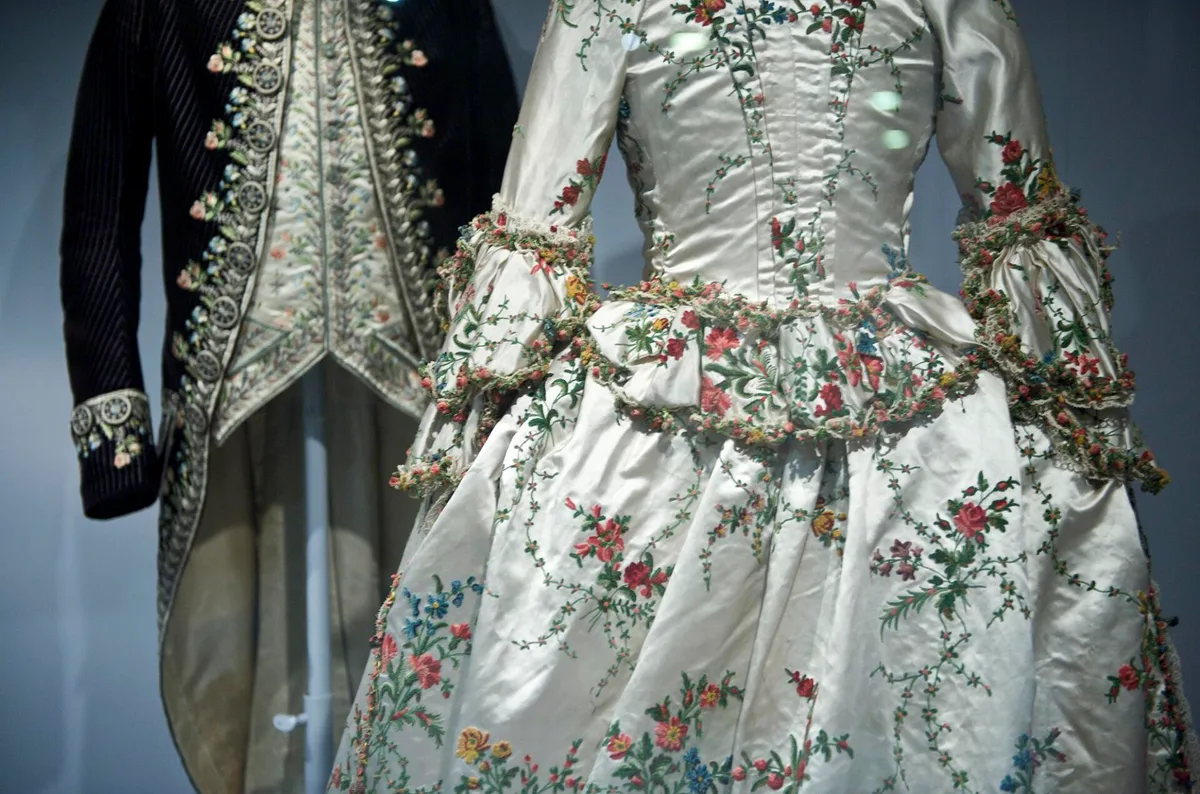
It is also worth remembering where the original garments go, because it reframes the whole exercise. As our reporting on how red carpet fashion ends up behind museum glass and where the dress goes after the night documents, the carpet gown is treated as an artifact from the moment it is worn. The version you buy is not a lesser copy of a dress. It is the mass-market edition of an artifact — which is, honestly, the more useful thing to own.
The last word on carpet-to-closet
The evidence supports a clear picture: the red carpet has become retail's fastest and cheapest trend engine, converting a single night of photographs into a season of merchandise. What the pipeline has not solved is durability. Fast copies capture the moment; they rarely capture the craft. What remains unknown, season to season, is which of the night's ideas will outlive the news cycle — and that is the part no merchandiser's dashboard has ever predicted correctly.