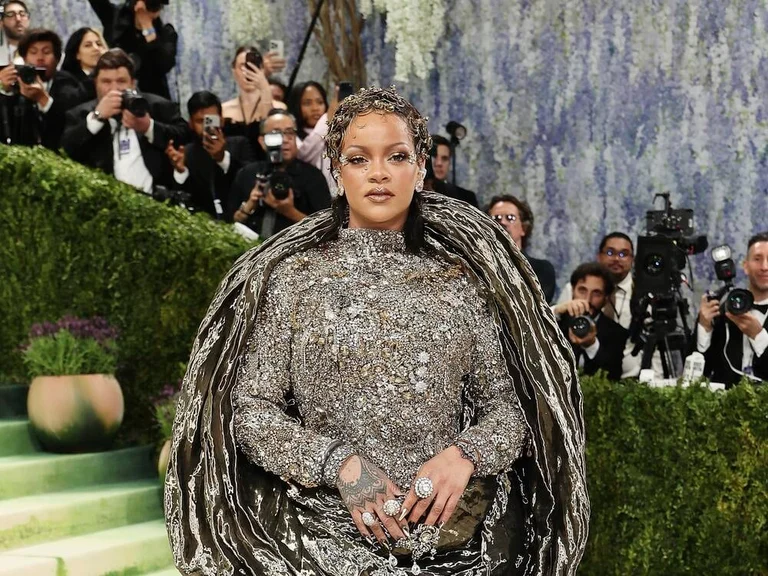
A gala photographer's contract is measured in deliverables, not flashes: a documented frame harvest delivered to the host within an agreed window — commonly 24 to 72 hours for the first selects — consisting of edited arrival coverage, candid program shots, caption and credit data embedded per frame, and licensed usage terms that say who may publish what, where, for how long. The 2024 Met Gala's reported net of roughly $20.5 million, per figures widely reported that year, is one reason the paperwork matters: an event built on donor relations runs on photographs its host actually controls.
The handoff is where a party becomes an asset. (The desk attended nothing; this account is per documented event-photography contracts, organizer press materials, and credited trade coverage.)
What Exactly Is in the Delivery?
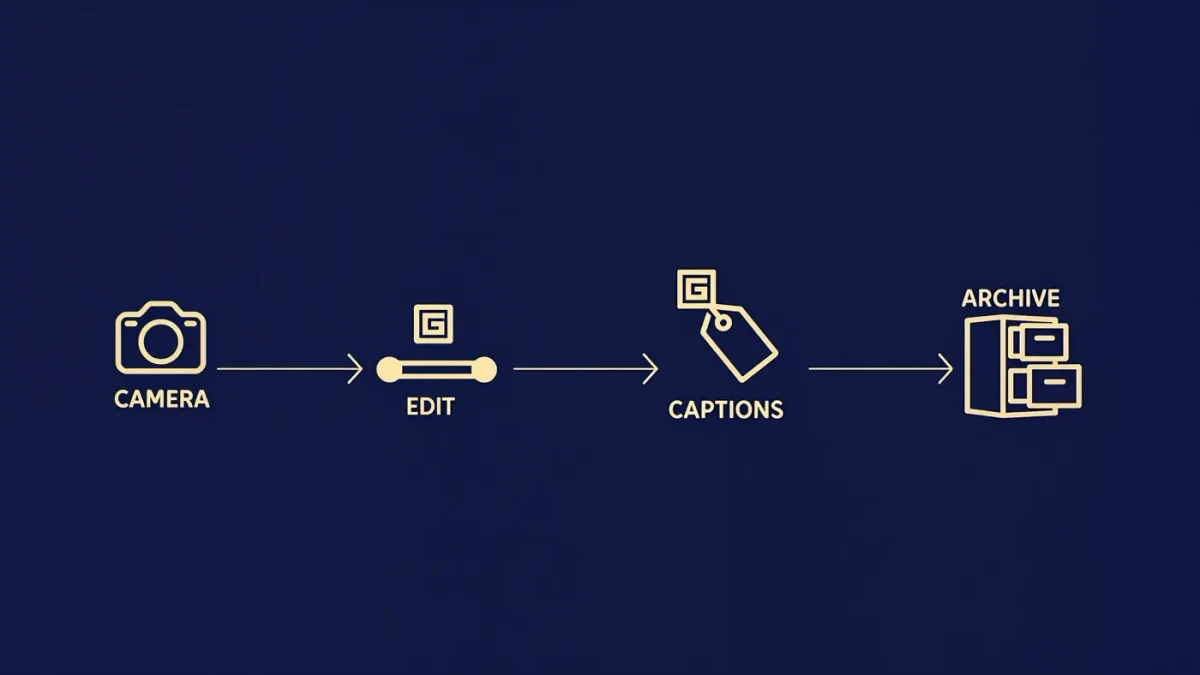
More than photographs — a structured archive. Documented event-photography practice breaks the deliverable into standard layers:
- Arrival sets: the carpet coverage, edited to selects, one frame per guest minimum and usually many more for honorees and chairs.
- Program and candid sets: the honoree moments, the performances, the room wides that prove the evening happened beautifully.
- Embedded metadata: captions naming guests only per the approved list, plus the photographer's credit line — the credit travels with the file.
- Usage terms: a license document specifying the host's rights — typically press use, donor communications, and archives — versus any commercial use, which is priced separately if permitted at all.
Who Gets the Frames First, and in What Order?
By protocol, not by whim. The host's communications team receives the master delivery on the agreed schedule; next come the selects for the morning-after needs — the donor thank-yous, the press recap, the sponsor confirmations — then the full archive for the institutional record. Wire and press usage during the event itself runs on a separate track: pool positions at the risers transmit in near-real time under their own agreements, while the host's own set arrives later but belongs to the host, which is the entire point of commissioning it.
How Are Guests' Names Handled?
Only as supplied. Documented practice is captioning against an approved guest list provided by the host in advance; a photographer's caption data names attendees exactly as that list spells them, and where identification is uncertain the frame is marked rather than guessed. Misidentification is the deliverable's cardinal sin — a wrongly named frame can move a donor's seat at next year's ledger — so the approved list is treated as a legal-adjacent document, versioned and confirmed in the final days before the event.
What Does the Host Pay For, and Why?
A commissioned team, not a crowd. Large galas engage a photography director who assembles a small documented crew — carpet, room, candids — under one contract, per credited event-production accounts. The economics track the event's scale: a benefit raising tens of millions, as the Met's Costume Institute gala did in 2024 with its widely reported roughly $20.5 million net, owes its donors and chairs an accurate visual record, and the license terms are written so the record serves fundraising without leaking into commercial uses nobody approved. The photographs are, in effect, the event's receipts — flattering ones, but receipts.
What Happens to the Archive Afterward?
It becomes institutional memory. Delivered sets are ingested into the host's digital asset system, tagged by guest, year, and program, and re-surfaced for anniversary retrospectives, donor reports, and the announcement cycles of future editions. Per credited practice, usage windows in the license control each re-publication, and photographers' credit lines are meant to survive every reuse — the clause most often honored in a caption's smallest type, and the one the industry reads first.
The transmission track deserves its own sentence, because it is the most misunderstood part of the job. While the host waits for a curated delivery, the wire pool at the risers is editing and transmitting continuously under its own agreements — which is why the morning-after news photos and the host's archive frames are rarely the same files. The pool serves the world's news desks on the news's clock; the commissioned team serves the institution on the institution's. Both read the same approved list. Only one of them bills the gala.
How Is a Photography Director Chosen?
By references and by risers. Credited event-production accounts describe hosts engaging a photography director on the strength of prior gala work, then granting them authority over the two things that decide carpet coverage quality: riser position assignments and the shot-call order for chairs and honorees. The director's name appears on the contract, the crew list, and — when the license permits a credit line — occasionally in the caption itself, which is the industry's way of signing a deliverable several thousand files deep.
The final week of any large gala's photography operation is, in truth, administrative. A run-of-show meeting locks the carpet call times; the approved guest list reaches its final version; the crew's positions are mapped against the room's fire lanes; and the license's usage schedule is initialed by the host's counsel. Photographers who work this circuit describe the pattern without complaint: an hour of flashes for every week of paperwork, and a better picture at the end of it — because the frames that matter to an institution are the ones its paperwork can prove.
The party ends at midnight; the license runs for years.
The Deliverable, Summarized
- Edited arrival, program, and candid sets within 24-72 hours for first selects.
- Captions from the host's approved list, credits embedded per frame.
- Licensed usage split between press, donor, and archive — never assumed.