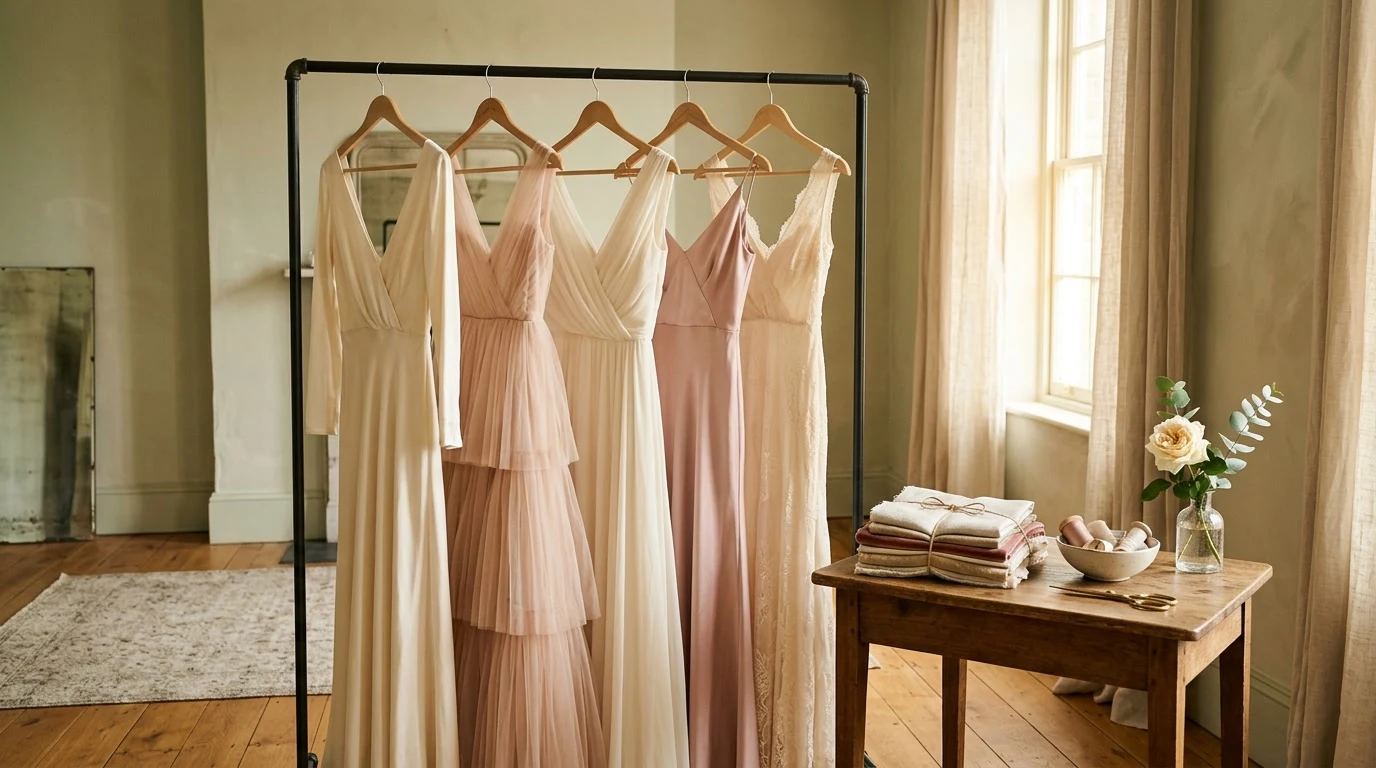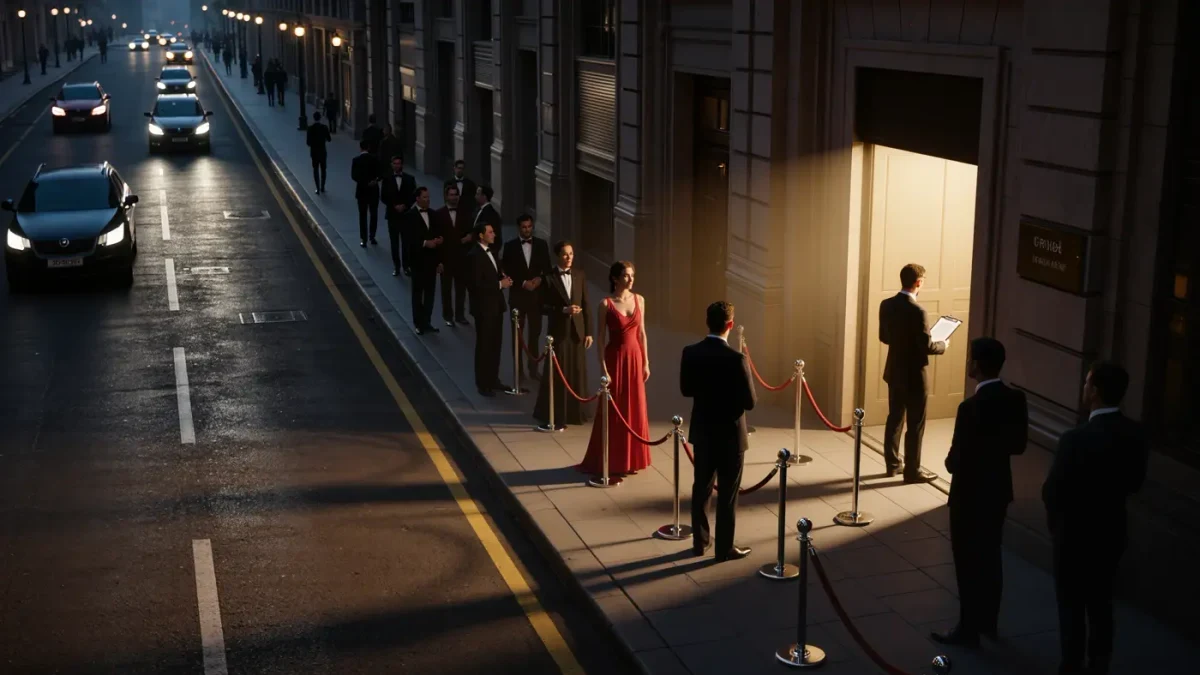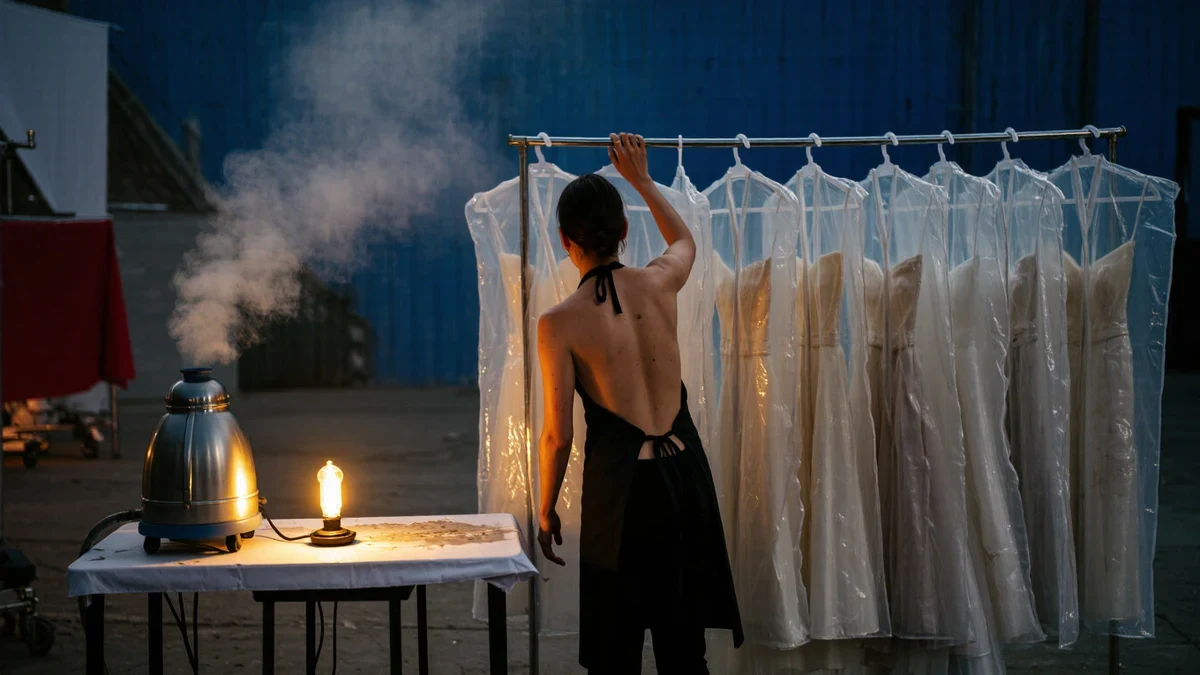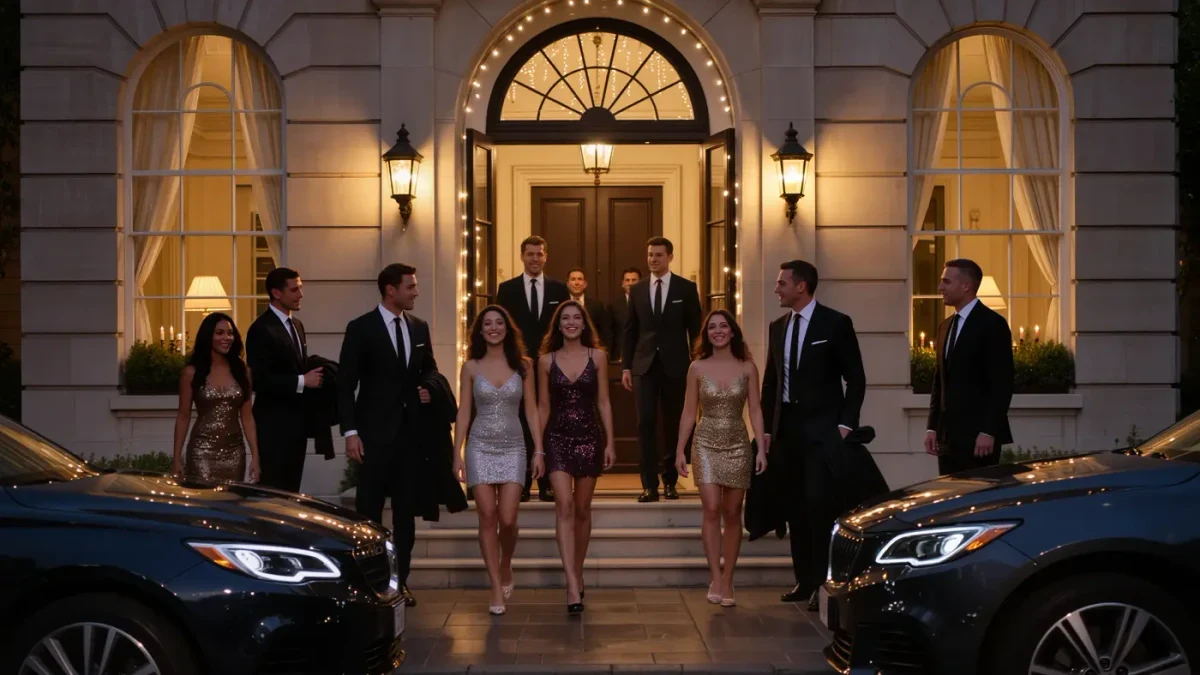
The second look exists for one documented reason: the after-party is a different assignment than the carpet. The carpet is choreography — fixed positions, full-length frames, a gown built to photograph from thirty feet. The party is proximity — narrow rooms, seated corners, dancing — and so the look changes, typically into something shorter, softer, and built for a night that runs well past the official program. At the biggest single-night events, the change is so routine that stylists plan it as a second full look, fitted on the same schedule as the first.
The swap is logistics wearing sequins, and it has its own rules. (The desk attended nothing; this reconstruction draws on documented stylist accounts, credited party coverage, and the events' own published timelines.)
Why Not Just Wear the Gown to the Party?
Three documented reasons, in rising order of practicality. First, image: the carpet look is an archive moment, often a couture sample whose loan terms end with the event; its afterlife is the photograph, not the dance floor, and a heirloom-caliber piece in a crowded room is a risk its press office would rather not price. Second, mechanics: trains, boning, and floor-length hems are genuinely hostile to banquettes and DJ booths. Third, the cycle: coverage of the night now includes the parties, per the credited party coverage that follows every major gala, and a second look is a second story — new photographs, new credits, new arrangement with the houses involved.
The change of rooms rewrites the dress code in ways the public rarely sees documented. A carpet gown is engineered for one direction of attention: front, level, still. A party look is engineered for every direction — a low-backed dress that photographs from a bar stool, a hem that survives a staircase with a coat thrown over it, shoes chosen for a floor rather than a step-and-repeat. Stylists describe this as the difference between an image and an evening, and the difference is measurable in millimeters: where the first look's alterations were argued to the centimeter, the second look's brief is often a single line — "comfortable, short, dark" — with the house's studio interpreting the rest.
When Does the Change Happen?
In the gap between the program and the party. Official festivities at major galas wind down late in the evening, and the documented rhythm afterward is fast: a change of clothes — sometimes at the venue, sometimes in a car or a hotel on the route — and arrival at the first after-party before midnight. The window is short enough that stylists describe packing the second look the way a stage crew packs a quick change: steamed, hung, and staged with shoes and jewelry assigned to the exact bag.
The timing is why the second look skews simpler. A look that must survive a car, a bathroom, or a coat closet has construction limits its carpet sibling never faced.
Who Pays for Look Number Two?
The same loan economy, second installment. Houses treat after-party looks as their own documented placements, with their own pull letters and credit lines — and, per credited stylist accounts, the after-party placement can be the more efficient one: less competition for samples, a looser silhouette, and a room where a photograph travels on atmosphere rather than on riser positions. Jewelry often continues from the carpet into the night, its loan terms already covering the evening; the gown is the piece that trades places.
How Many Looks Can One Night Actually Have?
More than two, when the calendar allows. Credited party coverage of New York's gala nights has long documented a circuit — an official ball, a first party, a second — and stylists describe preparing three looks for a single evening when a client's night includes a hosted after-party of their own. The documented ceiling is practical: each look is a fitting, a loan, a credit negotiation, and a place to change. Two is the professional standard; three is a production; the audience sees only a confident person walking into a room twice.
What Does the Second Look Signify?
Strategically, the second look is the industry's clearest statement that a carpet is a workday, not the whole job. The first look serves the event's photographers and the archive; the second serves the night and the next morning's party coverage. Both are planned, both are credited, both are loans with return dates — and the difference between them is not sincerity. It is assignment.
What Does the Team Pack for the Change Itself?
A kit with the seriousness of a pit stop. Documented stylist accounts list the inventory: the second look on its own hanger, the party shoes wiped and bagged separately, blotting papers, a flat of safety pins in two sizes, and a foldable garment bag rated for the back seat of an SUV. The change location is scouted days ahead — a venue's green room, a hotel suite on the route, occasionally the car itself, which is why the second look's construction avoids anything requiring a mirror and a steady hand. The best-documented quick changes are the ones nobody clocks: a client leaves one building as one silhouette and arrives at the next as another, and the night simply continues.
By morning, the first gown is already logged for return, and the second look's paperwork runs its own shorter paperwork trail. Glamour, it turns out, has a checkout time.
The first gown is for history. The second is for the room.
The Second Look, in Brief
- It exists because parties are proximity work — and carpet gowns are built for distance.
- It runs on its own loan, its own credits, and a quick-change window before midnight.
- Two looks per evening is the documented standard; three is a full production.