The red carpet looks like decoration. It is really a schedule. Red carpet history shows a carpet laid to move notable people along a fixed route, in front of fixed cameras, in a planned order. That order is the arrival slot. It shapes everything the public sees.
Once you see the carpet as a scheduling tool, the whole ritual makes sense. The walkers, the photographers and the brands all work around one thing. That thing is the window of time each guest gets in front of the press line. This connects to our earlier piece, Who Gets Up the Steps: Carpets, Access, and the Long Walk.
From ceremonial route to Hollywood ritual
Red carpets first marked ceremonial routes for heads of state. The earliest known mention of walking one appears in the play Agamemnon, written in 458 BC. A carpet greeted President James Monroe on his arrival in South Carolina in 1821. In 1902, the New York Central Railroad laid plush crimson carpets for passengers boarding its 20th Century Limited train. That is often cited as the origin of the phrase red-carpet treatment.
The image is older still. Renaissance paintings often show rugs in red tones laid on the steps to a throne, under rulers and sacred figures. The phrase has since spread into everyday speech, where rolling out the red carpet means any special welcome.
When the cameras took over
By the late 1920s, the carpet was tied to Hollywood. A crimson carpet ran at the 1922 premiere of Robin Hood, the first Hollywood premiere, before the Egyptian Theatre. For decades after, it was one of the few places the public could see the stars up close.
The decisive shift came on television. The Academy Awards introduced the carpet at its 1961 ceremony. In 1964, broadcasters began filming arrivals outside the venue, as guests stepped out of their limousines. From that point, arrival itself became the show. The carpet turned into a stage watched around the world.
How an arrival window actually works
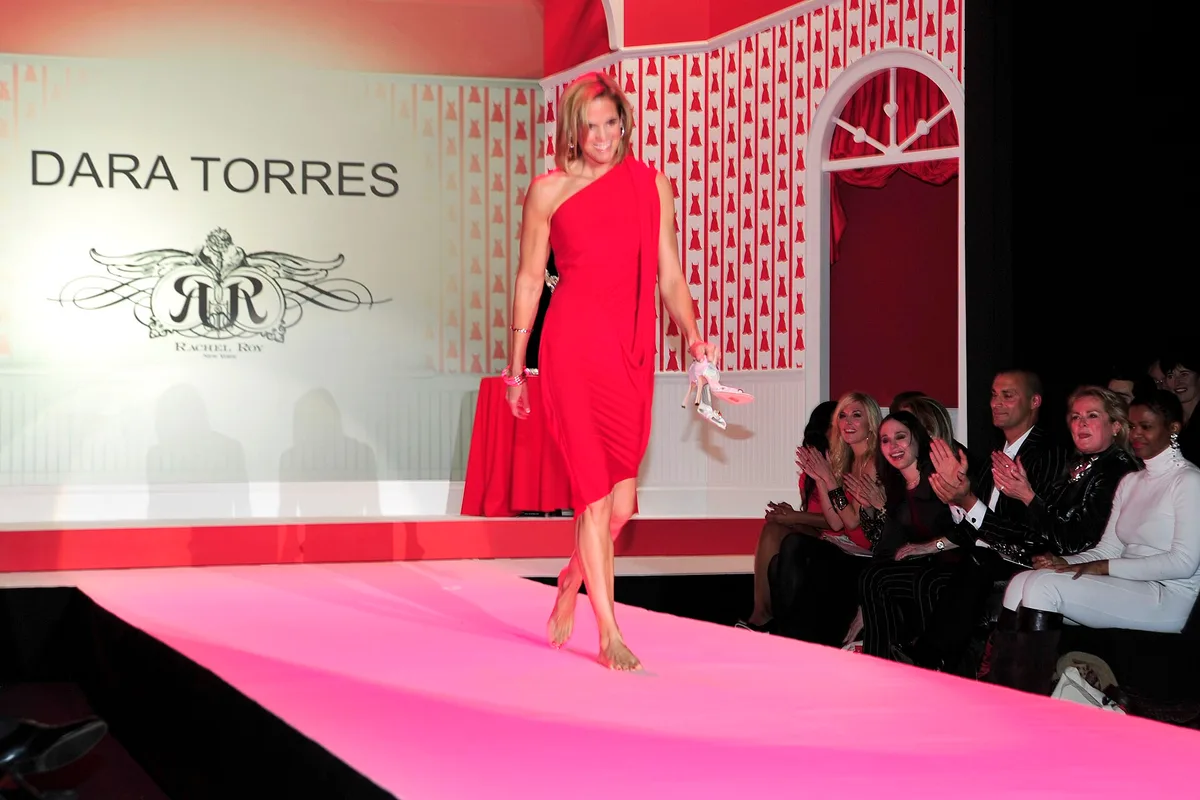
A modern gala or premiere runs the carpet as a production. Publicists organize the guests. Crews stage the flow. Numerous photo-journalists stand in a fixed press line. Each arrival is a short working window. The guest steps out, crosses the backdrop wall, turns for the cameras, answers a few questions, and moves on. Backdrops carry brand logos for the photos, which is why the carpet doubles as a display arena for the fashion industry. Readers following this should also see Inside the Met Gala: How Fashion's Biggest Night Actually Runs.
The carpet is not always red
Color itself has become a scheduling choice. Some events swap red for a cause, such as a green carpet for environmental awareness. Others match a sponsor or a network. The Nickelodeon Kids Choice Awards run an orange carpet. The MTV Video Music Awards have used black, white and blue across editions. Film premieres now match their carpets to their stars, like the yellow one for Detective Pikachu. At the 95th Academy Awards in 2023, organizers even chose a champagne color, the first break from red since the carpet was introduced, to suit a day event running into the night.
Why the slot matters for brands
The publicity happens outside the venue. That is where the value sits. Journalists discuss the fashions and which designers the stars are wearing. Those mentions are earned in seconds of carpet time. A guest pushed to a dead slot, after the main broadcast windows close, risks a thinner press line. This is why arrival order is negotiated rather than random. It is also why early slots often go to the moments organizers most want covered.
Conclusion
Arrival slots matter because the red carpet is a media machine with limited hours. The carpet began as a mark of ceremony. Television and the press line turned the walk into the product. Whoever holds a good slot holds the attention of the night. That is exactly what the stars, the photographers and the fashion houses are all there to capture.