A red carpet look is planned three to six months out, and the clock starts with the couture calendar: as of 2024, the Fédération de la Haute Couture et de la Mode's official schedule staged haute couture twice a year, in January and July, and stylists pull candidates within days of those shows. The gown a star finally wears was one of several samples booked, fitted, photographed, and — in most cases — sent back.
What follows is the unglamorous arithmetic underneath the glamour: pull weeks, loan agreements, fittings scheduled around film shoots, and a final decision that usually lands inside the last three days. (RSV TV Magazine publishes information, not styling advice — and the desk attends nothing; everything here is per documented industry accounts, stylist interviews in credited trade coverage, and the houses' own published calendars.)
When Does a Stylist Actually Start Working on a Carpet Look?
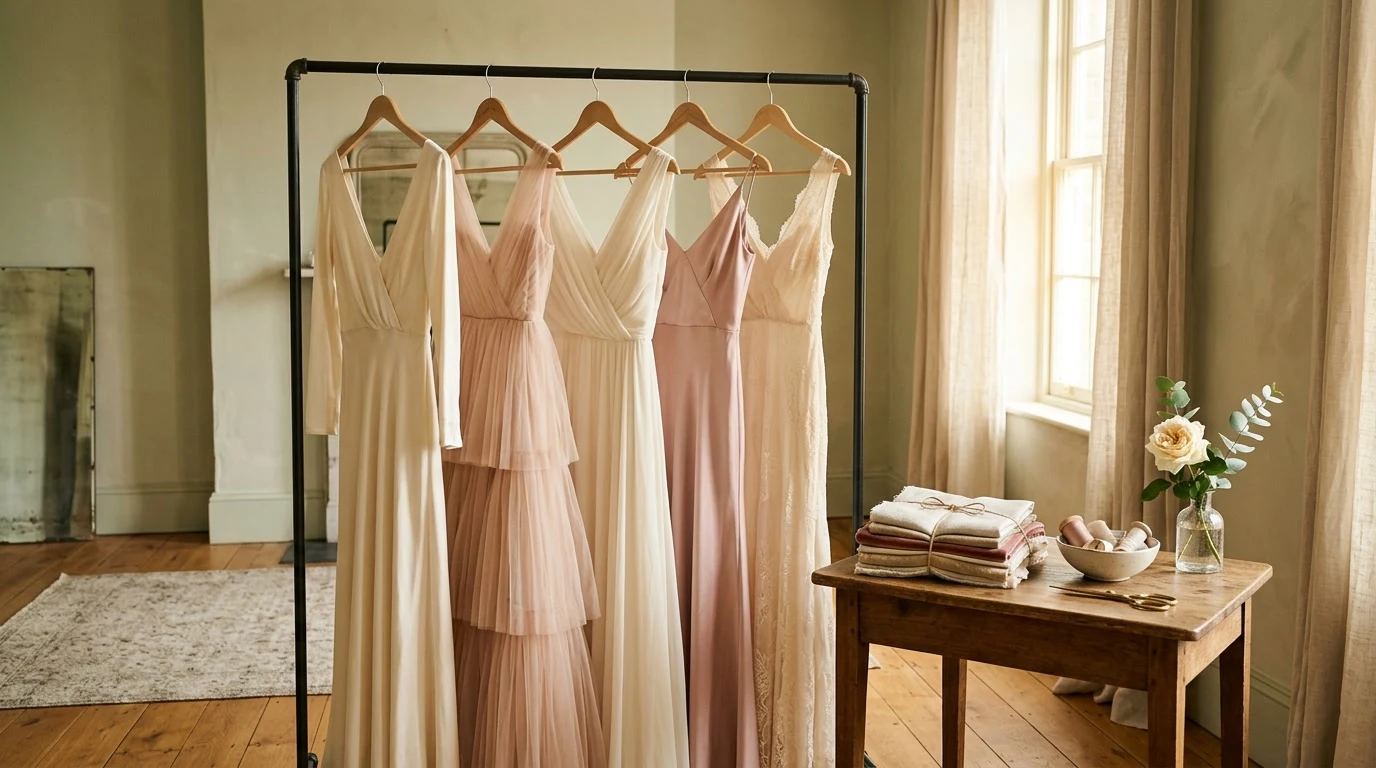
Earlier than intuition suggests. For a gala with a fixed spring date, stylists interviewed in credited trade coverage describe beginning pulls in the weeks after the January couture presentations — roughly ten to fourteen weeks before the event. The logic is mechanical rather than fussy: houses release their newest samples on the runway, and the first stylists to request a piece for a specific date usually get it. Wait a month, and the same gown has three competing requests and a travel itinerary of its own.
The request itself is formalized in what the industry calls a pull letter — a documented loan request naming the client, the event, the date, and the return deadline. Houses issue them through their press offices, which keep their own ledgers of who has what, where it is, and when it is due back.
What Happens at the Fittings?
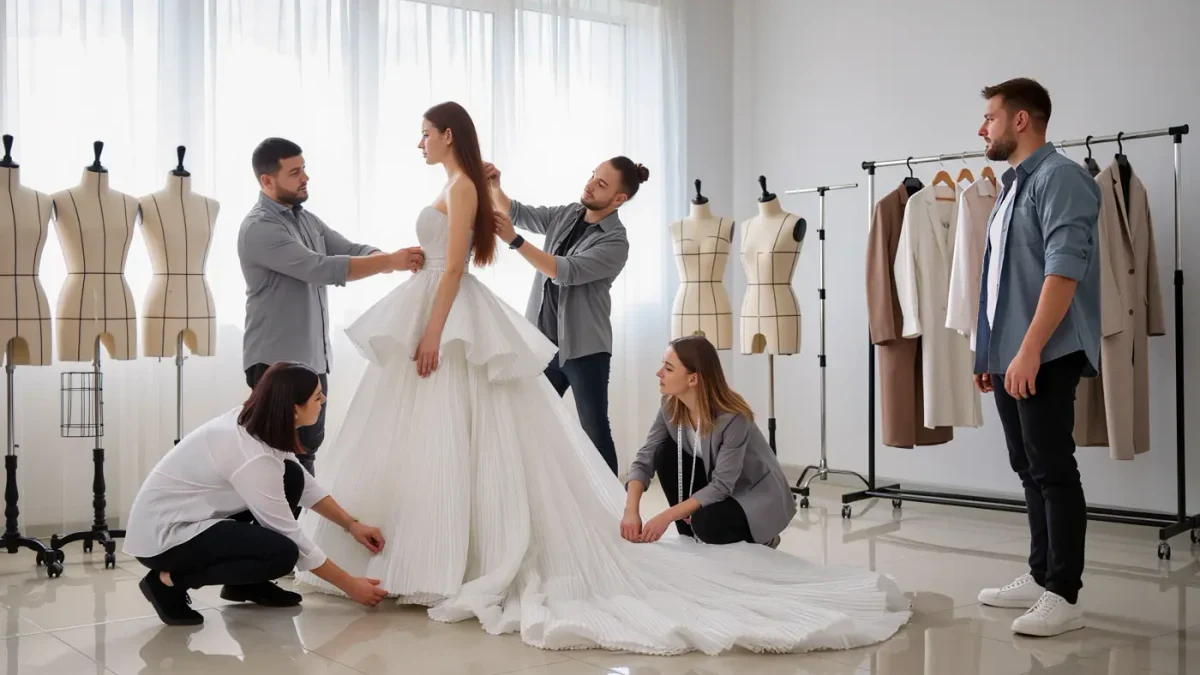
A sample is built for a runway body that may not match the client's, so the first fitting is often surgery rather than a stroll. Credited stylist accounts describe a standard rhythm: an initial fitting to assess how much the sample can be altered, a second to test the alterations under movement — sitting, climbing stairs, the arm raise photographers will request for decades — and a final fitting within roughly 72 hours of the event, once the client's actual schedule has stopped rearranging itself.
- Fit session one: assess the sample, mark alterations, flag construction limits.
- Fit session two: test altered pieces under real movement, on real underpinnings.
- Final fitting: pressed, steamed, bagged, and photographed for the record.
Shoes, jewelry, and the bag that will never be seen are tested at the second session, because a heel height that reads well in a mirror can fail a staircase the house has never met.
Who Pays for a Borrowed Gown?
Usually nobody, in cash — and that is the trade. The house lends the sample for the exposure; the client's camp commits to credited mentions in coverage; the piece returns to the house within days of the event, per the pull agreement. What the client pays for, typically, are the alterations, the tailor's time, and the courier. Insurance terms vary by agreement, with the loaning house's press office specifying who carries coverage during the loan window — terms that appear exactly as each agreement supplies them and not otherwise.
The exchange is old enough to feel ceremonial: the house gets its name attached to a photographed moment, the client gets a look no one else is wearing, and the press office gets its ledger closed. The romance survives; the paperwork is still the paperwork.
How Many Options Make the Shortlist?
More than the carpet will ever see. Stylists describing their process in credited interviews routinely mention pulling five to ten candidates for a single major event, then letting fittings eliminate them one by one — a zipper that complains, a color that dies in flash photography, a silhouette that photographs top-heavy from the fixed riser positions. The shortlist narrows to two or three, and the last survivors are photographed on the client during the second fitting, because memory lies about fit and cameras do not.
When Is the Look Actually Locked?
Later than any civilian would find comfortable. The industry's settled answer, per repeated stylist accounts, is that the final choice tends to land 24 to 72 hours before the carpet — sometimes sooner for a look tied to a specific construction, sometimes absurdly late for a client with two competing options and a phone full of opinions. Once locked, the look goes into a garment bag with its alterations documented, and the credit information is prepared for the press offices, whose embargo practices are their own quiet theater.
What Can Still Go Wrong in the Final Days?
Plenty, and the plan has contingency baked in. Samples arrive damaged from a previous loan; a flight lands late; a client's measurements change mid-shoot schedule; a house recalls a piece because a competitor's client wore the sister look to a different event weeks earlier. The veteran move, per stylist accounts, is keeping a fallback fitted and pressed — the option nobody wants to wear, tailored enough to wear. The carpet sees the winner. The garment rack backstage sees the whole campaign, which is why the people who run it describe the operation less like fashion and more like freight with feelings.
The gown is chosen months out; the decision, very often, is not.
The Short Version
- Pulls begin 10-14 weeks out, right after the January or July couture shows, per the Fédération de la Haute Couture et de la Mode's calendar (as of 2024).
- Fittings run two to three rounds; the final one sits inside the last 72 hours.
- Loans are documented in pull letters through house press offices; samples return within days of the event.