The final 72 hours before a major carpet run on a schedule fixed to the minute: the published arrival window is the anchor, and for the Met Gala it has been a 6 p.m. Eastern carpet start, per Vogue's published coverage schedule for May 2024. Everything else — the last fitting, the beauty call, the driver briefing, the pressed fallback look — is reverse-engineered from that single hour.
Count backward from the first flash and the machinery is almost bureaucratic: a couture gown that spent three months being considered now has roughly three days to be altered, steamed, insured, carried, and worn without a single visible seam of effort. (The desk attended nothing; this reconstruction draws on documented stylist accounts, published event schedules, and credited trade coverage.)
What Happens on Day Three — the Last Real Fitting?
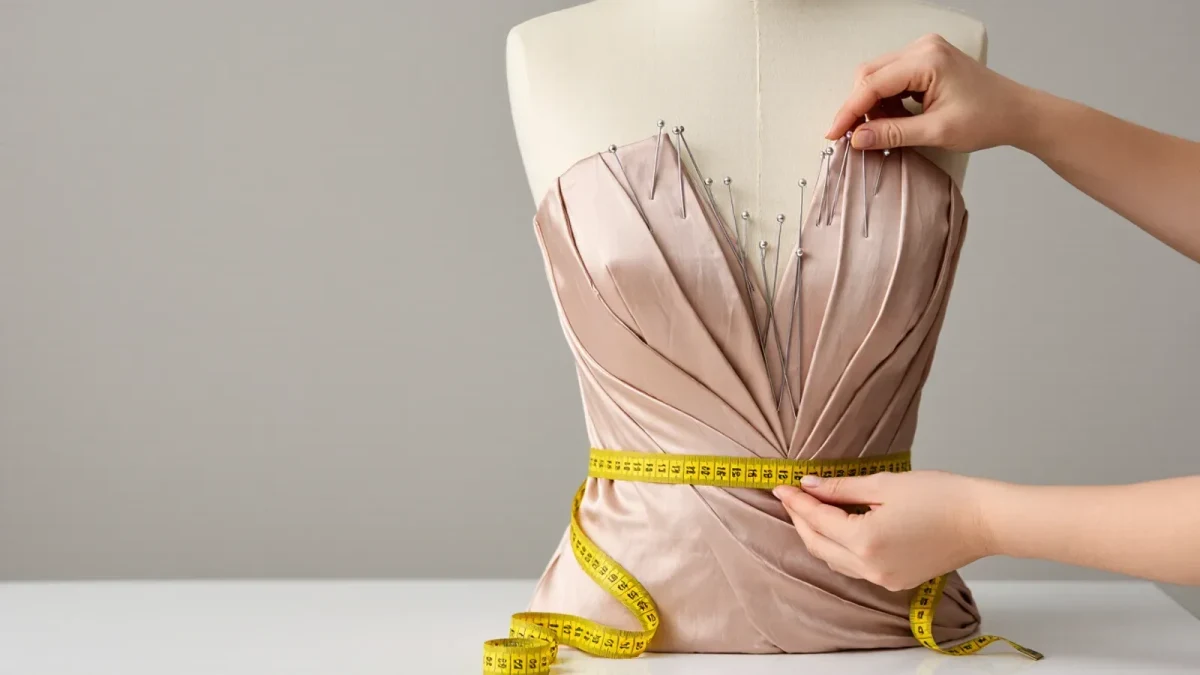
Roughly 72 hours out, per credited stylist accounts, comes the fitting that matters most: the gown altered to its final form, tried on the client's body after a working day, and photographed to check what flash will do to the color and the silhouette. Shoes come along now, at the correct heel height, along with the actual underpinnings. Small verdicts get made in this room — a strap moved half an inch, a hem re-taped — and they are the last small verdicts available.
Beauty schedules are locked here too, because a hair and makeup call can run two to three hours, and the arrival window does not move for anyone's extensions.
What Happens on Day Two — Logistics Take Over?
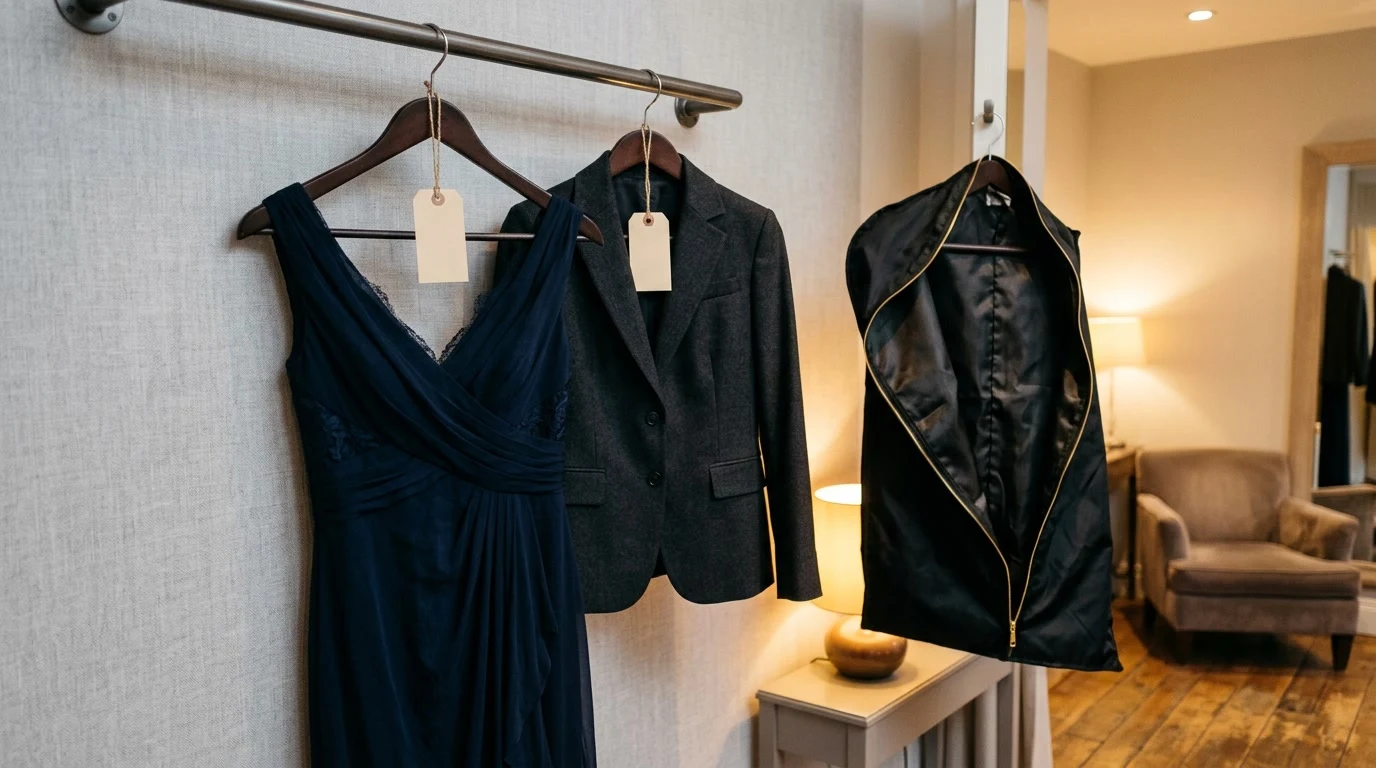
Day two belongs to the drivers, the garment bags, and the paperwork. The look is steamed, bagged, and handed to whatever transport plan the team has chosen — a courier, a car trunk with a hanging rail, or a member of the team riding shotgun with a garment bag as a passenger. Press offices confirm the credit line one last time; the house's sample is checked against its loan agreement for the return date already stamped on it, usually within a few days of the event.
- Steaming and pressing: done near, not at, the venue — hotel steam and hotel irons are a documented risk category of their own.
- The kit: double-sided tape, a travel steamer, blister plasters, clear polish, and the fallback shoes nobody mentions out loud.
- Route planning: drive times checked against the arrival window, with a buffer for the street closures that major galas impose on their own neighborhoods.
What Happens on Day One — the Hours Before Arrival?
The final day runs from a beauty call in the early afternoon to a departure time chosen so the car arrives inside the first hour of the carpet. Stylists' accounts describe working backward: if the carpet opens at 6 p.m. and a client is slotted into the first 90 minutes, the beauty call starts around 1 or 2 p.m., the gown goes on last — over the finished hair and makeup — and the team leaves the hotel with time to spare, because the only thing less forgiving than a carpet is a carpet's traffic plan.
The fallback look travels too, pressed and bagged, on the documented logic that its entire job is never to be worn.
Who Keeps the Schedule When It All Moves?
The stylist, usually, from a phone. Clients run late; makeup runs late; the garment bag runs late in traffic. The documented practice is a rolling adjustment: shave the jewelry call, cut the car buffer, and protect one fixed point — the arrival slot — because publicists on the carpet's press side are coordinating a queue where one late car becomes everyone's late car. Arrival timing is coordinated with the event's press operation in advance; the arrivals window, once published, belongs to the organizers, not the guests.
Who Gets Told What in Those Three Days?
Communication is deliberately narrow. The client's publicist knows the arrival slot and the credit plan; the house's press office knows the return date; the driver knows the route and a phone number. Beyond that circle, per documented publicist practice, details are withheld on principle — a look confirmed too widely, too early, becomes a look another client's team can quietly request for a different carpet, and the press offices' ledgers have no column for grievances.
The quietest document of the three days may be the one nobody photographs: the shot list. Teams agree in advance which arrival positions the client will stop for, how long each stop runs, and where the line is drawn, because a carpet that asks for a hundred frames per guest does not negotiate on the night.
What Does the Evening Itself Ask of the Plan?
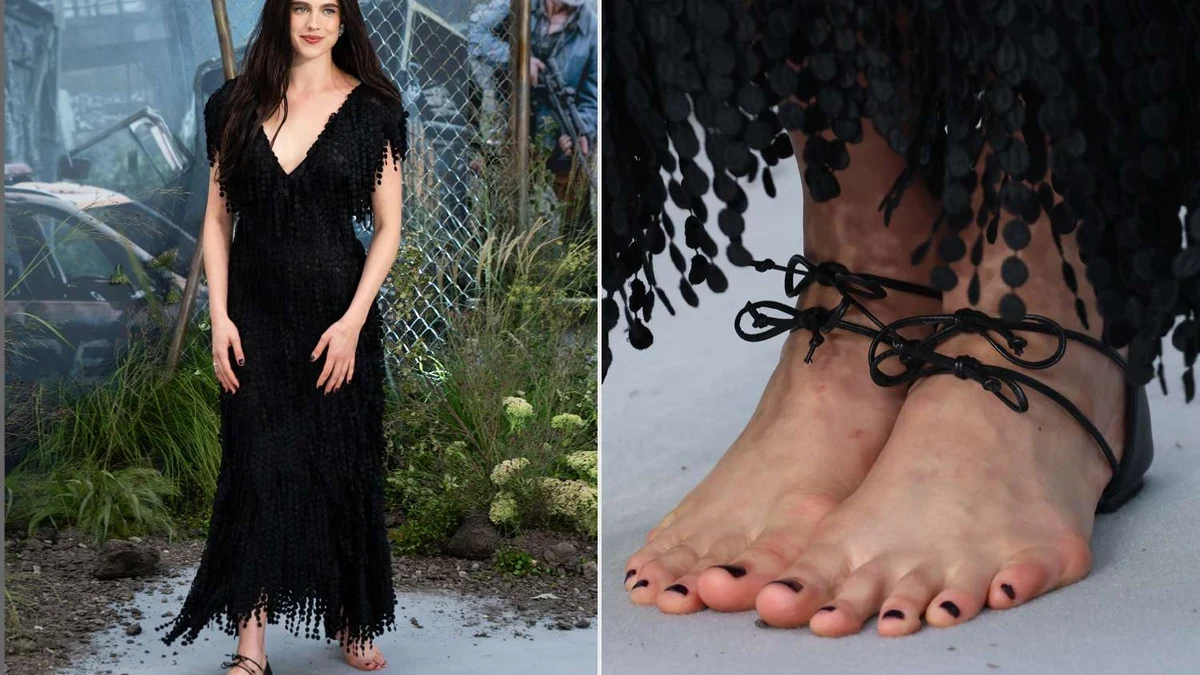
The plan's last test is physical. Carpets at major galas can run a hundred feet or more, in heels chosen for cameras rather than corridors, with stops at fixed positions and a press line that will not hold a slot open out of sympathy. Credited stylists describe rehearsing the walk at the final fitting — the pause, the turn, the hand placement — not as vanity but as insurance: sixty seconds of choreography that photographs like spontaneity and spares the seams.
Then the car door closes, and the three-day machine hands its output to a two-hour window. The team's work ends the way the best logistics does: invisibly, on time, with the fallback look still bagged.
Three days out, glamour stops being an adjective and becomes a timetable.
The Countdown, Compressed
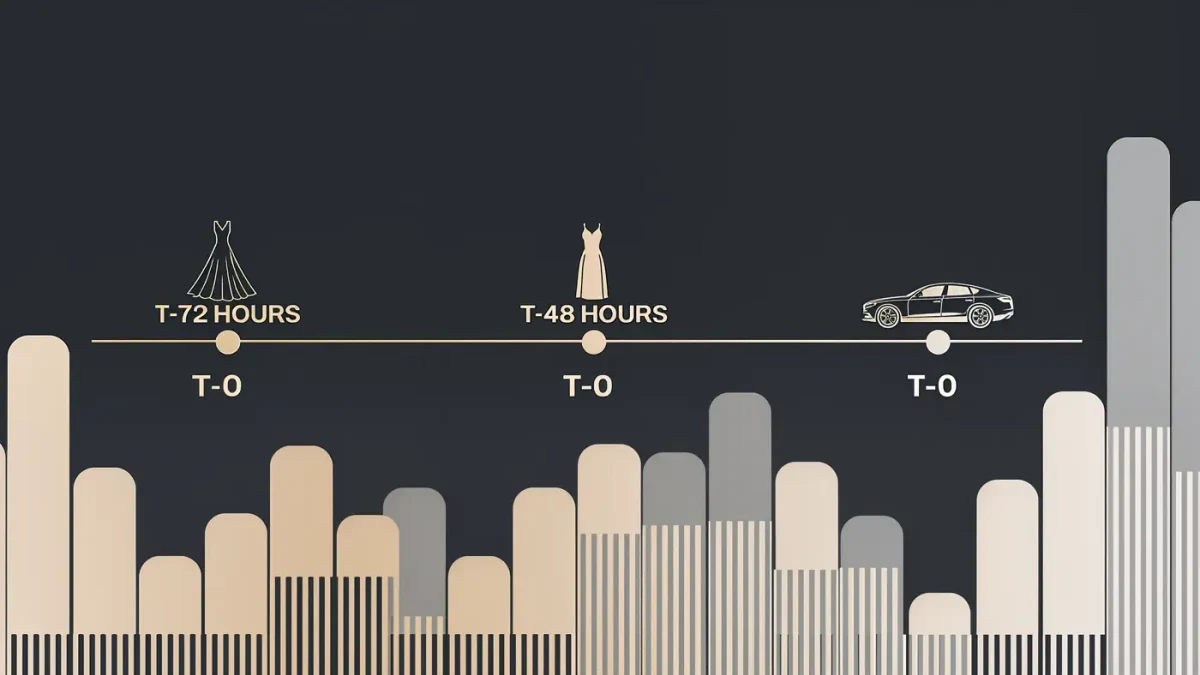
- T-72 hours: final fitting, look locked, beauty schedule fixed.
- T-48: steam, bag, transport, credit confirmations, route and closures checked.
- T-0 to T-6 hours: beauty call, gown on last, departure timed to the published window — 6 p.m. ET at the Met Gala per Vogue's May 2024 schedule.